These records are found in the online catalog of The Mariners’ Museum and Park in Newport News, Virginia. Uncurated search results are presented to give researchers and interested readers an idea of whether the museum’s archives contain information about this vessel and whether it may be worthwhile to visit the museum’s catalog search page for further investigation. Uncurated results may be inaccurate or incomplete.
Mariners Museum online catalog search, July 12, 2026. Search phrase: "American Eagle". Catalog returned 61 records; this selection table includes 61 records fetched through catalog result pages.
Use these buttons to send uncurated search results to your own app or text document for further research. First, check the box for any row, or click "Select All" then uncheck any rows. Then click "Show Selections". You can then copy your selections from the text box and past them into your app.
Etching of the American Eagle sailing down a river with one mast, one smokestack, and different flags at fore and aft. A riverbank with trees and piles of rocks is visible in the background.
Shows a starboard side view of a steamboat, possibly a small passenger boat, docked at a wharf. Stanton's notebooks contain the following information about this item: "Sandusky, Feb 3, 1896"
AMERICAN EAGLE (STEAMSHIP: 1880) - ARROW (SIDE WHEEL STEAMER: 1895)
American Eagle; 1857
Steamboats–Ohio–Sandusky.
Shows two vessels, one a side-wheeler, docked at the same wharf. They might be small passenger boats. Stanton's notebooks contain the following information about this item: "Sandusky, Feb 3, 1896"
SHORT DESCRIPTION: Baleen corset busk, rounded bottom, bufurcated top bearing various imagery, top to bottom; heart with flowers, monument with clock face, American eagle, lead and tendril motif, interlocking hearts, oval sunburst, trees and fence, compass-rose in circle. Diamond pattern border around busk.
SHORT DESCRIPTION: Obverse: In the bowl appears a view of the 1899 naval review showing seven U.S. Naval vessels. On the handle is a bust of Admiral Dewey, a starboard side view of the Olympia and the inscription OUR NAVY. Reverse: On the handle appears the American eagle and shield, an oar, sword, rifle, American flag, steering wheel, cannon, and 5 shells. Also the word "Sterling". LABEL COPY: SOUVENIR SPOON: United States Naval Review 1899 showing the OLYMPIA, 1891-4. VESSEL INFORMATION- VESSEL NAME: OLYMPIA VESSEL BUILT: 1891-4 SHIP BUILDER: UNION IRON WORKS BUILDER'S LOCATION: SAN FRANCISCO, CALIFORNIA
SHORT DESCRIPTION: Cream colored, rectangular flag with blue eagle emblem, of eagle with arrows and branches in its talons, in the center, measuring 30" high and 58" from tip of wing to tip of wing. NOTES: Until 1938 the company was in the International Mercantile Marine group, having been founded in about 1920 as the United States Mail S.S. Co. In 1956, it was comprised of American Merchant Line, and carried the traditional house flag of the blue American eagle.
MARBLEHEAD - MASSACHUSETTS - UNITED STATES - Related Place
SHORT DESCRIPTION: Obverse: In the bowl appears a waterfront scene and the inscription TUCKER'S WHARF, MARBLEHEAD. At the top of the handle, in enamel and colors, appears the seal of the State of Massachusetts. Below this appears a female figure. Reverse: On the handle appears the American eagle and shield, and a draped American flag. Also sterling.
SHORT DESCRIPTION: Ceramic stein with color portait of Admiral George Dewy on front encircled by inscription and laurel wreath. On one side of portrait is the American eagle and shield. On the other side is a wingspread eagle clutching 2 American flags. Stein has pewter lid.
SHORT DESCRIPTION: Colored pottery stein bearing the portrait of Rear Admiral William T. Sampson, USN on the front. On one side is th American eagle and shield and in its beak is a ribbon bearing a motto. On the other side is a wing-spread eagle perched on crossed flagstaffs. The lid is pewter.
SHORT DESCRIPTION: World War II, United States Navy, China Service Medal. Medal is attached to a silk ribbon 1-3/8" wide. The color is yellow with a 1/8" stripe of red 1/8" from each edge. The obverse features a view of a Chinese junk under sail, and the inscription: CHINA SERVICE. The reverse features an American eagle holding a branch and perched on an anchor with the inscription: UNITED STAES NAVY FOR SERVICE. NOTES: Medal awarded to personnel attached to, present and serving on permanent duty with a Navy unit credited with having participated in China operations. ADDITIONAL INFORMATION: See March '48 "All Hands", p. 46-47.
SHORT DESCRIPTION: Obverse: In the bowl appears a natural bridge and marine scene. Also the inscription: ARCH ROCK, MACKINAC ISLAND. On the handle appears an Indian, a globe, and ears of corn. Reverse: On the handle appears the inscription: THE UNITED STATES OF AMERICA, and the American eagle and shield. Also R.W. & S., Sterling. NOTE: Mackinac Island lies in the Straits of Mackinac between Lake Michigan and Lake Huron. ADDITIONAL INFORMATION: See "Harper's Weekly", August 5, 1882, p. 489. LABEL: Mackinac Island On the Great Lakes Souvenir spoon FS 147
SHORT DESCRIPTION: Sperm whale tooth engraved on obverse with starboard view of unidentified full-rigged ship, port painted. At right is stern view of unidentified square-rigged vessel flying stuns'ls on starboard side. Stylized water in crescent shape. Reverse bears pin-pricked portrait of American eagle and shield. Sunburst pattern spans top of this design. Inked in black. RICH 7/9/96: Eagle design could be by another hand, or done at a different time than obverse.
SHORT DESCRIPTION: Rectangular flag with 16 vertical stripes, alternating red and white, with a red stripe next to the header at the hoist end and a white stripe at the fly edge. There is a white canton in the top left corner with blue American eagle holding branches and arrows in its talons and with a shield in front that is blue at the top and red and white striped at the bottom. Above the eagle is a blue circle with stars and a blue banner runs through its beak. There are two grommets for hoisting on the flags header.
SHORT DESCRIPTION: On the obverse is a bust of Commodore Vanderbilt. On the reverse is America, with sword and shield of the United States, to whom a kneeling figure wearing a mural crown presents a trident and ship's prow. An American eagle, and a steamship. TRANSLATION: He gives twice who gives in time (on reverse exergue). NOTES: Duplicate of QK 56.02. By resolution of Congress, approved March 17, 1862, a gold medal was awarded to Commodore Cornelius Vanderbilt "who did, during the spring of 1862, make a free gift to his imperilled country of his new and staunch steamship 'Vanderbilt' of five thousand tons burthen, built by him with the greatest of care, of the best materials, at a cost of eight hundred thousand dollars, which steamship has ever since been actively employed in the service of the republic against the rebel devastations of her commerce." See the object file for additional information. From Medals of the United States Mint : by Kenneth M. Failor and Eleonora Hayden CJ5805.F3. ADDITIONAL INFORMATION: See Milford Haven, "Naval Medals" Vol. III, #647.
SHORT DESCRIPTION: Baleen corset busk, rounded ends, engraved on obverse with elaborate, shield-like flower pot, pin-wheel design of branches, 5-point star, American eagle clutching either a banner or snake in its beak, flower pot, and 6-point star. Various geometric dividers between vignettes, vine borders. Some worm damage, esp at bottom. Reverse bears message: "To - _/when this you see/Remember me/A friend & A friend will be/give to friendship/Friendship's due remember/Me and I will you." INVENTORY: label - there is one (1) component part. LABEL COPY: Corset Busk Engraved baleen, circa 1840 Museum Collection 34.334 IS 92 (Deco Arts Gallery 9/89)
INVENTORY: Cover/lid. One component part. SHORT DESCRIPTION: Dark blue ceramic, square dish. Possibly depicting views of the St. Lawrence River near Quebec or the Hudson River. There is a small steamboat in one picture and the object is bordered with shell decorations. On the back of the dish is an American Eagle holding a scroll with an inscription. NOTES: Notes made in the China File by Nola Hill - work done in the '40's or early 50's per Harold Sniffen, 12/7/81.. Vegetable dish Quebec This view depicts a Hudson River scene but marked Quebec. Staffordshire - E. Wood & Son - Border Shells irregular Dark blue vegetable dish 9-1/2 x 9-1/2 inches and cover
SHORT DESCRIPTION: Object is circular pin with white background. There is a ring outlined in gold toned metal around the outside with blue lettering (letters are also outlined in gold toned metal). In center circle is a map of the Atlantic ocean with land shown in blue, outlined in gold toned metal. In center of the pin is an American eagle in red, white, and blue, outlined in gold toned metal with with shield in front and arrows in talons. Above the eagle are four blue stars outlined in gold toned metal. Below the eagle are two curved branches in green and gold toned metal. Reverse is covered in gold toned metal.
PROVIDENCE - RHODE ISLAND - UNITED STATES - Manufacturer; WASHINGTON,D.C. - UNITED STATES - Retailer
SHORT DESCRIPTION: Obverse: In the bowl appear portraits of Columbus' caravels and the inscription: PINTA, SANTA MARIA, NINA. On the handle appears the American eagle and shield, a fouled anchor, steering wheel, capstan, and the inscription Columbus Caravels 1893. Reverse: Moore and Leding, Sterling. There is a mark that looks like a flower in front of the word sterling which indicates the spoon was made by Howard Sterling Company of Providence, Rhode Island. VESSEL INFORMATION - VESSEL NAME: SANTA MARIA VESSEL BUILT: SPAIN VESSEL DIMENSIONS: 74.2" (length), 25.7' (beam), 13.5 (depth), 200 tons.
NOTES: Major Collings presented the Museum with a total of six ribbons, the other three being duplicates. He also presented a booklet entitled: Decorations, Medals and Campaign Ribbons of the U.S. Armed Forces. The Campaign Ribbons, a silk material in colors on a metal clasp pin back. NOTES: ASIATIC - PACIFIC CAMPAIGN MEDAL This medal was instituted in 1942, and the ribbon was automatically awarded in the same manner as that just described. The medal is bronze, and the obverse shows a tropical landing scene with a battleship, aircraft carrier, submarine, and aeroplane in the background, with palm trees and troops landing in the foreground. The title of the campaign appears above, and the reverse shows an American eagle between the dates ‘1941’ and ‘1945’, and the words UNITED STATES OF AMERICA. The ribbon is orange, with a stripe of blue, white and red in the centre, and towards each edge a stripe of white, red, white, representing Japan.
SHORT DESCRIPTION: Rectangular flag with sixteen alternating red and white vertical stripes; eight are red, eight are white, with red along the hoist edge and white along the fly edge. There is a white canton in the upper left corner, measuring 46" across and 28-1/2" in height, with the blue image of an American eagle. The eagle holds an olive branch in one talon and thirteen arrows in the other and a banner in its beak. Above its head is a circular emblem, with lines or spokes inside the border of the circle and in the center, a blue area with thirteen white stars. All of the image in the canton is done in blue and white, except for a shield in front of the eagle which has a blue area with at the top, with thirteen alternating red and white vertical stripes below; seven white and six red.
SHORT DESCRIPTION: Medal commemorating the Centennial Diamond Jubilee of USS 'Constellation', 1972. The obverse depicts an American eagle within a circle of stars. With the legend: 'CENTENNIAL DIAMOND JUBILEE BY ACT OF CONGRESS, 1797-1972'. The reverse depicts the Constellation under sail. With the legend 'PER MARE INVICTUS MANEO, OLDEST SHIP OF THE U. S. NAVY.' and 'CONSTELLATION SEPT. 7. 1797' in exergue. There is a "P" above this text. The Latin portion of the inscription translates to "At Sea, I Was Invincible." INVENTORY: case - there is one (1) component part.
SHORT DESCRIPTION: On the obverse is a bust of Commodore Vanderbilt. On the reverse is America, with sword and shield of the United States, to whom a kneeling figure wearing a mural crown presents a trident and ship's prow. An American eagle, and a steamship. TRANSLATION: He gives twice who gives in time (on reverse exergue). NOTES: Duplicate of QK 56.02. By resolution of Congress, approved March 17, 1862, a gold medal was awarded to Commodore Cornelius Vanderbilt "who did, during the spring of 1862, make a free gift to his imperilled country of his new and staunch steamship 'Vanderbilt' of five thousand tons burthen, built by him with the greatest of care, of the best materials, at a cost of eight hundred thousand dollars, which steamship has ever since been actively employed in the service of the republic against the rebel devastations of her commerce." See the object file for additional information. From Medals of the United States Mint : by Kenneth M. Failor and Eleonora Hayden CJ5805.F3. ADDITIONAL INFORMATION: See Milford Haven, "Naval Medals" Vol. III, #647.
NOTES: Major Collings presented the Museum with a total of six ribbons, the other three being duplicates. He also presented a booklet entitled: Decorations, Medals and Campaign Ribbons of the U.S. Armed Forces. The Campaign Ribbons, a silk material in colors on a metal clasp pin back. NOTES: ASIATIC - PACIFIC CAMPAIGN MEDAL This medal was instituted in 1942, and the ribbon was automatically awarded in the same manner as that just described. The medal is bronze, and the obverse shows a tropical landing scene with a battleship, aircraft carrier, submarine, and aeroplane in the background, with palm trees and troops landing in the foreground. The title of the campaign appears above, and the reverse shows an American eagle between the dates ‘1941’ and ‘1945’, and the words UNITED STATES OF AMERICA. The ribbon is orange, with a stripe of blue, white and red in the centre, and towards each edge a stripe of white, red, white, representing Japan.
NOTES: Dirk: 19th century; steel blade with etched leaf and eagle pattern; cloth buffer at handle attachment. Brass and diaper pattern ivory handle; snake design in gold plate on knob. INVENTORY: Sheath - there is one (1) component part.
NOTES: See object file for a detailed remarks and condition report of the individual book pages and illustrations. The book also includes an illustrated copy of the poem "The Ancient Mariner". NOTES: This sketchbook of Samuel Ward Stanton includes the following sketches and descriptions of vessels: p. 7 A.B. VALENTINE p. 8 ANGLER & AMERICA p. 9 ALABAMA & ALIDA p. 10 ALBANY p. 11 ALBANY, A.C. NICKERSON, AMERICA, ALFRED & EDWIN p. 12 ANSONIA, ARCHIE CORSMAN, ALERT, ARROW, ATLAS p. 13 AMOS C. BARSTOW, ANN JANE, LAUGLIN, A.C. CHENEY, ANNIE LAURIE & ALBERTINA p. 14 ALICE, ADMIRAL, A.R. GRAY, ALBERTA M., ALICE E. CREW, ASTORIA & ACADIA p. 15 ALBANY, ACTIVE, ADMIRAL, FARRAGUT, ATHLETE, A.J. HOOLE p. 16 ACCOMAC, AMERICAN EAGLE, ARMITABE BREARLY, ATLANTA 7 ALICE HEGARTY p. 17 AMERICA, AROMA MILLS, ARTISAN & ARIOSA p. 18 ANNEX, A.C. ROSE, ANNIE & MAGGIE, ANNA J. KIPP, AMBOY & A.C. SUMNER p. 19 AUSTIN, ATLANTIC, AMELIA, ANNEX Z p. 20 ANNA, ALICA A. WASHBURN p. 21 ADELAIDE, ABBIE, AMITE p. 22 ANNEX 3, ASSISTANCE, ATRATO & ARIES p. 23 AMERICA, AERONAUT, ALASKA, ARIZONA p. 24 BAY RIDGE, BRILLIANT & BAY RIDGE p. 25 BALTIMORE, BAY STATE p. 26 BATTLER, BURLINGTON, BOY, BORDER CITY, B.W. MORSE p. 27 BAY QUEEN AKA GENL. SEDGWICK p. 28 BELLE, BROOKLYN, BLUE STONE COMPANY & BALTIC p. 29 BRIDGEPORT, BEN, BLANCHE PAIGE & BRANDON p. 30 BELLEVUE & BALTIMORE p. 31 BLACK BIRD, BUFFALO, BLUE BONNET, BORDENTOWN p. 34 BEE, BELLE HORTON p. 35 BAYONNE, BS CRONIN, BLOCK ISLAND, BLUE STONE p. 36 BELT, BERGEN POINT, BELLE & HATTIE p. 37 CASTLETON, CYCLOPS, CEMENT ROCK, CORNELIUS VAN COTT' p. 38 CHESTER A. ARTHUR, CLIMAX, CITY OF YONKERS, CORNELIA p. 39 CITY OF TROY p. 40 CITY OF BRIDGETON, COLDEN, COL. E. B. GRUBB, C.H. STARBUCK, C.A. DICKEY p. 41 CANONIEUS, CHAUCEY M. DEPEW, CRYSTAL STREAM, C.L. MARCHAL p. 42 CONNECTICUT, CHAS. H. SENIFF p. 43 C. VANDERBILT p. 44 CHRYSTENAH, COMMONWEALTH, CLARA, CHAS. A. SILLIMAN p. 45 CETUS, COM. DURYEA, CYRENE p. 46 CHARLOTTE, VANDERBILT, CLARA, CHIEF, CLINTON p. 47 CITY POINT, COLORADO, CHARLES RUNYON p. 48 CITY OF LAWRENCE, CITY OF WORCESTER P. 49 CHAUNCEY VIBBARD, COMMUNIPAW, CITY OF MONTICELLO p. 50 CITY OF SPRINGFIELD, CHARLES C. COUTANT p. 51 CRYSTAL WAVE, CHAS. E. SOPER, CAROLINE A. PEENE, CHICAGO p. 52 CITY OF RICHMOND p. 53 CITY OF RINGSTON, COE F. YOUNG AND CHRISTIANA p. 54 CITY OF SPRINGFIELD p. 55 CAYUGA, CITY OF NORWALK, CAPTAIN JOHNM, CHAS ALLEN p. 56 COLUMBIA p. 57 CEPHEUS, CITY OF ALBANY p. 58 CONTINENTAL p. 59 CITY OF NORWICH, C.W. STANDART, CITY OF BRIDGEPORT p. 60 CHANCELLOR p. 61 CITY OF LONG BRANCH, CORA L. STAPLES, COM. BARNEY p. 62 CITY OF HUDSON, CLAR, C.F. ROE, CLAVIN TOMKINS p. 63 CHAMPION, CLARA, CATSKILL p. 64 CHARLES R. STONE, CHARLES F. STARIN p. 65 CITY OF CLEVELAND p. 66 COMMUMPAW, CAPE CHARLES p. 67 CITY OF BOSTON, CITY OF NEW YORK p. 68 CAMELIA, CERES, CONQUEROR p. 69 CITY OF FALL RIVER, CHAS. B. SANDORD p. 70 COMMODORE PERRY, CITY OF BROCTON p. 71 CYGNUS, CRESCENT CITY p. 73 C.H. NORTHAM p. 75 COLUMBIA p. 76 CADET, CLARION p. 77 CITY OF DETROIT p. 78 COMMONWEALTH p. 81 D.S. MILLLER, DEFIANCE, DOUGLAS, DIAMOND p. 82 DAKOTA, DELAWARE (Built 1883, South Amboy, New Jersey, Belonged to Pennsylvania Rail Road) p. 83 AUGUSTA, AGAWAM, ARIEL COOLEY, ATLANTA, ADVOCATE, ARROW, AMERICAN EAGLE, ALBANY p. 84 ARABIAN, AUGUSTA, AMITY, ALGONQUIN, ARIEL, AVALANCHE, ASIA, ALBANY, ALABAMA, AMBOY, AUGUSTA, ANSON p.107 STR. PERSEUS p.109 MARTHA WASHINGTON p.112 STR. CONNECTICUT p.116 STR. NEW YORK p.166 MUTUAL p.177 VIVA, E.T. DUBLOIS, IDA L. TEBO p.203 BLACK BIRD p.213-216 Poem "The Monitor" published in Harper's Weekly, May 9, 1863 with pen/ink sketch of MONITOR sinking. p.219 YOSEMITE p.223 SCANDINAVIAN p.239 L.A. BELKNAP p.267 CONNECTICUT, MAINE, CITY OF W p.269 LYNN p.271 E.P. PICKETT p.277 FRED B. Dalzell p.279 WM F. BURDEN, ECLIPSE, CONTINENTAL, OLLIE p.280 PEGUOT
USS MONITOR (IRONCLAD: 1862); CSS VIRGINIA (IRONCLAD RAM: 1862)
NORFOLK; VIRGINIA; UNITED STATES
206 MAIN STREET - NORFOLK - VIRGINIA - UNITED STATES - Retailer
SHORT DESCRIPTION: Obverse: In the bowl, on enamel and in colors, appears a view of the ironclads Monitor and Merrimac engaged in their famous battle. Also the inscription: MERRIMAC AND MONITOR MARCH 8, 1862. On the handle appears the inscription VIRGINIA, seal of the state of Virginia, and an oyster, crab, peanut, and tobacco plant. Reverse: on the handle appears a coat of arms showing the American eagle. STERLING VESSEL INFORMATION: VESSEL NAME: MONITOR VESSEL DATES: January 30 - December 31, 1862 SHIP BUILDERS: CONTINENTAL IRON WORKS BUILDER LOCATION: GREENPOINT, LONG ISLAND SHIP'S DESIGNER: JOHN ERICSSON VESSEL HISTORY: Famous battle with Virginia ex Merrimac, March 9, 1862. Sank under tow off Cape Hatteras on December 31, 1862. SPELLING NOTE: MERRIMACK, MERRIMAC - According to a letter from the office of The Secretary of the Navy, W.R. Furlong, Acting, dated August 31, 1937, the correct way of spelling the name of this vessel is MERRIMACK. The Bureau of Construction and Repair recommends that all labels of models adhere to this manner of spelling. The official position of the United States Navy is that this vessel was named for the Merrimack River in New Hampshire and Massachusetts, and was correctly spelled with the terminal "k".
SHORT DESCRIPTION: Display copy of the European African Middle Eastern service medal. The medal, in bronze, shows an L.S.T. and landing craft with troops landing under fire, and an airplane in the background. The title of the medal appears below. The reverse shows an American eagle between the dates ‘1941’ and ‘1945’, and the words ‘UNITED STATES OF AMERICA.’ The ribbon is green with brown edges, the green representing the forests and pastures of Europe and the brown the arid hills of Africa. In the centre of the green is a narrow stripe of blue, white and red, the colours of the United States; to the left, separating the green from the brown, is a stripe of green, white and red, for Italy; to the right a stripe of white, black, white, for Germany. NOTES:The European-African-Middle Eastern Campaign Medal was awarded for for qualifying service within the European-African-Middle Eastern Theater of Operations between December 7, 1941, and March 2, 1946, under any of the following conditions: 1) On permanent assignment within the European-African-Middle Eastern Theater; or, 2) for service in a passenger status or on temporary duty status for 30 consecutive days or 60 non-consecutive days; or, 3) For service in active combat in the European-African-Middle Eastern Theater of Operations against the enemy and awarded a combat decoration or furnished a certificate by the commanding general of a corps, higher unit, or independent force that the individual actually participated in combat. The obverse of the European-African-Middle Eastern Campaign Medal was designed by Thomas Hudson Jones (1892-1969). The reverse was designed by Adolph A. Weinman (1870-1952). NOTES: This medal was originally part of a panel of 34 U.S. Navy and U.S. Marine Corps medals that were donated by the U.S. Navy Department.
SHORT DESCRIPTION: Replica of medal featuring the American sloop ST. LOUIS and the Austrian brig of war HUSSAR. Medal designed by S. Eastman and engraved by James Longacre and F. F. Cross. The obvers depicts the U.S. sloop-of-war St. Louis, and the Austrian brig-of-war Hussar, at anchor in the roads of Smyrna; while a second Austrian war vessel and three mail steamers are at a little distance. The city of Smyrna and the ruins of the Acropolis, on Mount Pages, are in the background. Exergue: SMYRNA. AMERICAN SLOOP OF WAR ST. LOUIS. AUSTRIAN BRIG OF WAR HUSSAR. The reverse has, within a wreath of laurel and oak, PRESENTED BY THE PRESIDENT OF THE UNITED STATES TO COMMANDER DUNCAN N. INGRAHAM AS A TESTIMONIAL OF THE HIGH SENSE ENTERTAINED BY CONGRESS OF HIS GALLANT AND JUDICIOUS CONDUCT ON THE 2D OF JULY 1853. JOINT RESOLUTION OF CONGRESS AUGUST 4TH 1854. Exergue: The american eagle, with outspread wings, holds an anchor in its talons; above are 31 stars, the whole lighted by the rays of the sun. NOTES: Duplicate of QK 58.02. LABEL COPY: Mint replica of medal presented to Commander Duncan N. Ingraham of the American sloop-of-war ST. LOUIS by the President of the United States for his conduct during the Martin Koszta incident at Smyrna, Aug. 4, 1854. ADDITIONAL INFORMATION: See Milford Haven, "Naval Medals", Vol. III, #623.
SHORT DESCRIPTION: Exhibition copy of gold plated United States Coast Guard Life Saving Medal with ribbon. The medal is suspended from a red, white and gold colored ribbon, at the end of which is an eagle's head. A clasp pin is on the back of the ribbon. The obverse features three men in a boat in a heavy sea. One is rescuing a person who has hold of a spar, at the end of which is a block with its sheet. Another is standing, casting a rope, and a third is seated and rowing. In the distance, to the left, is the wreck of a large vessel. Around this scene is imprinted:- UNITED STATES OF AMERICA ACT OF CONGRESS JUNE 20, 1874. The reverse features a female figure, standing, holds in her left hand a wreath of oak, and with her right is preparing to inscribe the name of the recipient on a monument which is surmounted by the American eagle, and to the right of which are a mast, a yard with its sail bent, an anchor, a sextant and a branch of laurel. Around this is imprinted:- IN TESTIMONY OF HEROIC DEEDS IN SAVING LIFE FROM THE PERILS OF THE SEA. NOTES: A medal like this, differing only in the placing of some of the wording, appears in "Medallic History of the United States of America," Loubat Vol. I, CJ 5805 L8, and Plate 84 Vol. II. The name PAQUET, F. appears in Loubat as the designer but this name cannot be discerned on this exhibition medal.
SHORT DESCRIPTION: Object is a rectangular wooden plaque with a metal emblem attached to the front in the shape of the state of New Mexico. In the center of the emblem is a sun with a circular center and four rays coming out in four different directions, creating a cross type shape. In the upper left quadrant created by the sun rays is a raised image of the American eagle, with branches and arrows in its talons. In the upper right quadrant is a lion rampant, symbol for the Spanish Kindgdom of Leon. In the bottom left quadrant is the shape of a castle, symbol for the Spanish Kingdom of Castile, and in the bottom right is the image of a submarine. Six five-pointed stars line up along the top of the medal piece and seven line up along the bottom. Below the medal emblem on the wooden plaque is an engraved, rectangular, metal presentation plate. NOTES: [information taken from http://www.50states.com/newmexic.htm] On New Mexico's flag we see a red sun with rays streching out from it. There are four groups of rays with four rays in each group. This is an ancient sun symbol of a Native American people called the Zia. The Zia believed that the giver of all good gave them gifts in groups of four. These gifts are: The four directions - north, east, south and west. The four seasons - spring, summer, fall and winter. The day - sunrise, noon, evening and night. Life itself - childhood, youth, middle years and old age. All of these are bound by a circle of life and love, without a beginning or end. VESSEL INFORMATION - VESSEL NAME: USS SANTA FE (SSN 763) SHIPBUILDER: GENERAL DYNAMICS BUILDER LOCATION: GROTON, CONNECTICUT LAUNCH DATE: 12/12/1992 DELIVERY DATE: 12/11/1993 COMMISSIONED DATE: 1/08/1994 FLEET: PACIFIC HOMEPORT: PEARL HARBOR, HI VESSEL DIMENSIONS: 362' (L); 33' (beam); 31' (draft); 6000 tons (light displacement); 6972 tons (full displacement
SHORT DESCRIPTION: Wedgwood creamware footed pitcher with black and white transfer print of American sailing ship, possibly the CONSTITUTION (? ship wasn't launched until 1797), on both sides and an American eagle with a scroll in its mouth under spout. Seal of the United States. Has an entwined strap handle it is impressed Wedgwood at bottom. NOTES: Notes made in the China File by Nola Hill - work done in the '40's or early 50's per Harold Sniffen, 12/7/81... American frigate Reverse - same as above Under spout - Coat of Arms of U.S. Double entwined handle Transfer in black and white PROOF Wedgwood Jug 6-7/8 inches VESSEL INFORMATION - VESSEL NAME: CONSTITUTION VESSEL TYPE: Frigate SERVICE DATES: 1797- SHIP BUILDER: Hartt Shipyard BUILDER LOCATION: Massachusetts, Boston VESSEL DESIGNER: Joshua Humphries ASSOCIATED PLACE: Massachusetts, Boston VESSEL HISTORY: Built during the years 1794-1797, and was launched October 21, 1797. Cleared for sea on first voyage on July 22, 1798. Ship was rebuilt in 1927-1933 under the direction of Commander John Abel Lord USN . Restorations made 1833-1835, 1855-1860, 1871-1876, 1906, 1927-1931, 1973-1974. MAJOR EVENT: Barbary Wars; War of 1812 CAPTAINS OR OTHER RELATED PEOPLE: Joshua Humphries (designer SHIP OWNERS: US Navy VESSEL DIMENSIONS: 175' (O.A.); 45' (breadth); 20' (depth)
NOTES: Major Collings presented the Museum with a total of six ribbons, the other three being duplicates. He also presented a booklet entitled: Decorations, Medals and Campaign Ribbons of the U.S. Armed Forces. The Campaign Ribbons, a silk material in colors on a metal clasp pin back. NOTES: EUROPEAN-AFRICAN-MIDDLE EASTERN CAMPAIGN MEDAL This medal was instituted in 1942, and the ribbon was automatically awarded to personnel on arrival in a theatre of war under permanent change of station orders. Anyone not permanently in the theater was entitled if he served in combat operations, if he served for more than thirty consecutive days, or a total of sixty days not necessarily consecutive. The medal, in bronze, shows an L.S.T. and landingcraft with troops landing under fire, and an aeroplane in the background. The title of the medal appears below. The reverse shows an American eagle between the dates ‘1941’ and ‘1945’, and the words ‘UNITED STATES OF AMERICA.’ The ribbon is green with brown edges, the green representing the forests and pastures of Europe and the brown the arid hills of Africa. In the centre of the green is a narrow stripe of blue, white and red, the colours of the United States; to the left, separating the green from the brown, is a stripe of green, white and red, for Italy; to the right a stripe of white, black, white, for Germany.
104 RICHARDS AVENUE - NORTH ATTLEBORO - MASSACHUSETTS - UNITED STATES - Manufacturer; NEW YORK - NEW YORK - UNITED STATES - Related Place
SHORT DESCRIPTION: Obverse: In the bowl appears a view of the Brooklyn Bridge with steam vessels and piers in the foreground. Above is imprinted BROOKLYN BRIDGE. On the handle is imprinted NEW YORK, above which appears a view of Niagara Falls and the State Seal of New York. On the reverse imprinted is an unfurled flag and an American eagle and shield. The Hallmark P & B STERLING, for Paye & Baker Manufacturing Company. NOTES: Paye & Baker (1905–1950s) was a prominent American manufacturer of sterling silver novelty items, souvenir spoons, flatware and jewelry. Based in North Attleboro, Massachusetts. The company’s predecessor was Simmons & Paye Co., founded by Charles T. Paye and Jessie O. Simmons in 1896 in Providence, Rhode Island. In 1901 Charles T. Paye is still listed in the Providence City Directory as associated with Simmons & Paye Mfg. Co. In the 1903 Cranston, Rhode Island city directory Paye is listed as a silversmith and is no longer associated with Simmons, nor is he associated with Baker. In the 1905 North Attleboro city directory Charles T. Paye is associated with Paye & Baker Mfg. Co. on Richards Avenue. Frank L. Baker appears in the same directory at the same address. The 1919 North Attleboro city directory lists the business at 104 Richards Avenue and indicates the company also manufactures surgical instruments. By 1956, the Attleboro city directory identifies Paye & Baker as a division of The Bishop Company still operating at 104 Richards Avenue (not identified with Bishop in 1955). The company produced silver and metal items like napkin holders, serving and souvenir spoons, figured forks, matchboxes, ashtrays, handbags, cigarette cases, belt buckles, buttons, jewelry including Art Nouveau brooches, pendants, picture frames, rings, hatpins, hair combs, celluloid products, and more. The company’s mark was 'P & B' with each letter/symbol inside three hearts and the word 'Sterling.' In the 1950s Paye & Baker Mfg. Co. ceased to exist having been absorbed by the Bishop Company.
LABEL COPY: U.S. Navy Cruiser NEW YORK Built at Philadelphia, 1893. Sampson's Flagship in Spanish-American War, 1898. Souvenir spoons. FS 122, FS 123, FS 185 SHORT DESCRIPTION: Obverse: In the bowl, on enamel and in colors, appears a view of the U.S. Navy cruiser New York. On the handle is depicted the American eagle and seal, capstan head, fouled anchor, and the steering wheel. Reverse: STERLING. VESSEL INFORMATION- VESSEL NAME: USS NEW YORK VESSEL TYPE: U.S. Navy Armored Cruiser SHIP BUILDER: William Cramp & Sons BUILDER LOCATION: Philadelphia, Pennsylvania VESSEL BUILT: 1891 SERVICE DATES: 1893-1933 VESSEL DIMENSIONS: 384' x 64'10" x 23'3", 8,150 tons displacement VESSEL HISTORY: USS New York (ACR-2) was launched by William Cramp & Sons of Philadelphia on December 2, 1891. Commissioned in 1893, she joined the South Atlantic Squadron, then the European Squadron in 1895, then the North Atlantic Squadron. The ship left Fort Monroe January 17, 1898 to head for Key West when the Spanish American War began. The United States declared war on April 25, 1898, just two days after the date Chapman wrote on this drawing. From the Library of Congress she was the first ship to fire a shot in the Spanish American War on April 27, 1898 against Matanzas. According to the NHHC website, by May she had joined other American ships searching for the Spanish squadron, which it did not find at that time. The ship then attacked San Juan before becoming the flagship of Admiral William Sampson’s squadron and the ship participated in the defeat of the Spanish fleet in the Battle of Santiago on July 3, 1898. Renamed USS SARATOGA on February 16, 1911. Renamed USS ROCHESTER on December 1, 1917. She was eventually scuttled in December 1941 to avoid capture by the Japanese during the attack on Pearl Harbor. MAJOR EVENTS: Spanish-American War, WWI ALTERNATE VESSEL NAMES: (1) USS NEW YORK (1891-1911); (2) USS SARATOGA (1911-1917); (3) USS ROCHESTER (1917-1941)
SHORT DESCRIPTION: Replica of medal featuring the American sloop ST. LOUIS and the Austrian brig of war HUSSAR. Medal designed by S. Eastman and engraved by James Longacre and F. F. Cross. The obverse depicts the U.S. sloop-of-war St. Louis, and the Austrian brig-of-war Hussar, at anchor in the roads of Smyrna; while a second Austrian war vessel and three mail steamers are at a little distance. The city of Smyrna and the ruins of the Acropolis, on Mount Pages, are in the background. Exergue: SMYRNA. AMERICAN SLOOP OF WAR ST. LOUIS. AUSTRIAN BRIG OF WAR HUSSAR. The reverse has, within a wreath of laurel and oak, PRESENTED BY THE PRESIDENT OF THE UNITED STATES TO COMMANDER DUNCAN N. INGRAHAM AS A TESTIMONIAL OF THE HIGH SENSE ENTERTAINED BY CONGRESS OF HIS GALLANT AND JUDICIOUS CONDUCT ON THE 2D OF JULY 1853. JOINT RESOLUTION OF CONGRESS AUGUST 4TH 1854. Exergue: The american eagle, with outspread wings, holds an anchor in its talons; above are 31 stars, the whole lighted by the rays of the sun. NOTES: Duplicate of QK 58.02. LABEL COPY: Mint replica of medal presented to Commander Duncan N. Ingraham of the American sloop-of-war ST. LOUIS by the President of the United States for his conduct during the Martin Koszta incident at Smyrna, Aug. 4, 1854. ADDITIONAL INFORMATION: See Milford Haven, "Naval Medals", Vol. III, #623.
NOTES: Print of a large multi-storied resort on a hill overlooking the water. Trees cover the hillside below the building. A steamboat, two sail boats and a row boat are on the water in the foreground. People and carrriages are on the dock near a building with a sign reading "C. F. Rice's Store" to the right of the resort. ADDITIONAL INFORMATION: See "Old Print Shop Portfolio" April 1949 for similiar print. A similar print was produced by Currier & Ives. This print is much less detailed.
NOTES: Major Collings presented the Museum with a total of six ribbons, the other three being duplicates. He also presented a booklet entitled: Decorations, Medals and Campaign Ribbons of the U.S. Armed Forces. The Campaign Ribbons, a silk material in colors on a metal clasp pin back. NOTES: EUROPEAN-AFRICAN-MIDDLE EASTERN CAMPAIGN MEDAL This medal was instituted in 1942, and the ribbon was automatically awarded to personnel on arrival in a theatre of war under permanent change of station orders. Anyone not permanently in the theater was entitled if he served in combat operations, if he served for more than thirty consecutive days, or a total of sixty days not necessarily consecutive. The medal, in bronze, shows an L.S.T. and landingcraft with troops landing under fire, and an aeroplane in the background. The title of the medal appears below. The reverse shows an American eagle between the dates ‘1941’ and ‘1945’, and the words ‘UNITED STATES OF AMERICA.’ The ribbon is green with brown edges, the green representing the forests and pastures of Europe and the brown the arid hills of Africa. In the centre of the green is a narrow stripe of blue, white and red, the colours of the United States; to the left, separating the green from the brown, is a stripe of green, white and red, for Italy; to the right a stripe of white, black, white, for Germany.
SHORT DESCRIPTION: US Navy dress sword owned by Captain John Percival. Ivory grips, gold handle, steel bade with gold etchings, copper alloy & gold plated handle. NOTES: Dress sword of Captain John Percival purchased from his nephew Percival Gaszette, who at one time was secretary to Colonel Theodore Roosevelt, and later one of the Rough Riders, and in Consular Service of the United States. John Percival known as Mad Jack Percival (3 April 1779 – 7 September 1862) was a legendary officer in the United States Navy during the Quasi-War with France, the War of 1812, the campaign against West Indies pirates, and the Mexican-American War. Percival left home at thirteen to work as a cabin boy on a Boston coaster. He later served in the U.S. Navy in the Quasi-War as a master’s mate and midshipman. He was discharged in the demobilization of 1801 and then entered the merchant service. He was impressed by the Royal Navy and sent to HMS Victory under Lord Jervis. When placed on a Spanish prize, Percival led an uprising and escaped to the American merchant ship Washington. In 1809, he returned to the U.S. Navy as a sailing master and was assigned to the Syren, part of the New York flotilla under Captain Jacob Lewis. He commanded Gunboat No. 6 and borrowed the fishing smack Yankee on the Fourth of July in 1812, using it to capture HMS Eagle, the tender of the 74-gun HMS Poictiers. Percival joined the USS Peacock on 9 March 1814 and made three cruises with her capturing nineteen merchantmen and two warships, HMS Epervier and Nautilus. For his gallantry in the capture of HMS Epervier, he was promoted to lieutenant. In 1826, he sailed the USS Dolphin into the far reaches of the uncharted Pacific to track down the mutineers of the whaleship Globe. He returned by way of the Sandwich Islands (Hawaii), the first American naval visit to that location. Promoted to captain in 1841, he first saved and restored the USS Constitution and then sailed the fabled warship around the world in 1844-46, Old Ironsides' only circumnavigation. He died with the rank of Captain 7 September 1862 in Dorchester, Massachusetts. ADDITIONAL INFORMATION: See object file. Researcher's Notes: David Dick 7/1996 Purchased by way of Percival's nephew. Had been on loan to the USS CONSTITUTION. This sword is typical of the one that would be carried by a naval officer of this period - early 19th century. This sword is dated 1820. Naval swords of this period are somewhat scarce compared to those carried by Army officers. The navy did not have a prescribed sword for its officers until about 1813. Prior to this the sword carried was what the officer could get. Most used swords similar to what the Army had. In fact, the Peterson's book - "The American Sword" - the description of the Artillery officer's sword would fit. The criteria were if it could "cut and thrust". As was also typical with this type of sword - the upper half of the broad curved blade is blued. On one side of the blade is a gilt etched design of a floral display and an American eagle with ribbon in black bearing the motto "E PLURIBUS UNUM". On the other side are gilt-etched floral displays with military trophies, drums and flags. No maker's name could be found.
TOXTETH PARK - LIVERPOOL - ENGLAND - Manufacturer; PHILADELPHIA - PENNSYLVANIA - UNITED STATES - Related Place
SHORT DESCRIPTION: Liverpool creamware pitcher with black and white transfer print design attributed to the Herculaneum Pottery Factory in Liverpool. On one side is the full rigged American ship 'Alliance'. The ship has been painted with enamels (red, blue, yellow and green). Under the spout is the monogram 'P H' within a floral wreath. Below is an interpretation of the Great Seal of the United States. On the reverse is a black and white transfer print commemorating George Washington. A similar image on a jug in the publication "Success to America, Creamware for the American Market" [catalog number 69 on page 228] bears the following inscription: scene commemorating George Washington and celebrating his victorious leadership. The printed design is framed by a scrolling ribbon creating fifteen loops, each inscribed with the name of one of the first fifteen states of the Union and featuring a star representing each state. At the top of the design is a rudimentary engraving of an American eagle. A central medallion is engraved with a portrait of George Washington that derives from the Edward Savage portrait made in 1789 for Harvard University, an image copied and published widely in America and England.The portrait has a symbolic laurel-leaf frame held aloft by Victory. She is supported on the right by Liberty, as proclaimed by the title on her liberty cap, and on the left by blind Justice....a winged angel holds Washington's name aloft within an oval of fifteen radiant stars. NOTES: Monogram P.H. is for Patrick Hayes (October 9, 1770-August 30, 1856), nephew of Commodore John Barry, USN. This was probably ordered as a commemorative item to remember the famous Alliance and John Barry's command of it. Christie's, in live auction 3704 on January 26, 2015, lot 161 sold a bowl made circa 1785-1803 that carried images of the Alliance and the inscription "John Barry, Esq, Commander, Alliance." According to the Haverford Library, Patrick Hayes was John Barry’s nephew and adopted son. Patrick Hayes (1770-1856) was born in Ireland on October 9, 1770 and immigrated to Philadelphia around 1786 after the deaths of his parents. He was a merchant captain, and carried on an extensive, international shipping, trading at ports in France, Portugal, Cuba, China, and South America. The business papers of Patrick Hayes present important information on American trade, particularly the China trade and the opening of trade with South America. Patrick accompanied his uncle on a voyage to Macao in China in 1787 aboard the Asia. After 1806, Hayes participated in the China trade as an investor rather than a master. Later in life he served as director of the Marine Insurance Company; as Harbor Master for the Port of Philadelphia from 1839 to 1842; and as Master Warden for the Port of Philadelphia from 1843 to 1849. He was also a member of the Order of the Society of the Cincinnati. He died in Philadelphia on August 30, 1856 at the age of 85. [Willoz-Egnor, 11/18/2024] List of ships compiled from the Barry-Hayes collection at Independence Seaport Museum. Accessed through the Falvey Library at Villanova University. Many of the vessel names were pulled from a “Book of Invoices and Sales, 1791-1801” although the end date of the entries actually dates to 1807 and various letters and receipts in the Barry-Hayes collection. Only the ships where Patrick Hayes was identified as the commander or master are listed. Most of the voyages appear to be between Philadelphia and the West Indies (St. Jago de Cuba, Havana, Port de Paix) and periodically Canton. Brig Sally in 1795-1797; Brig Florida in 1797-1798; Ship New Jersey, 1800; Brig Hope, 1801; Schooner Edward & Edmund 1802; Ship George Washington 1802-1803; Brig/Sloop Sally 1804; Ship Dorothea 1805; Schooner Alleghany 1806; Brig Superior 1807-1809 List of addresses: In 1798 Patrick Hayes lived at 151 South Third Street. In 1800 lived at 69 Pine Street. In 1805 lived at 265 South Front Street. In 1808 may live at No. 18 Pine Street. In 1814 at corner of 9th & Locust Streets. NOTES: Manufacturer attributed due to the presence of the Great Seal transfer print which was adopted by the Herculaneum Pottery in Liverpool to identify its works. In 'Success to America, Creamware for the American Market,' the authors discuss the placement of the Great Seal eagle by the Herculaneum Pottery under the spout as a way of marking their wares. On page 84 they state “their mark [Herculaneum’s] is an American eagle based on the design of the Great Seal of the United States... Although it occurs in many sizes and often without HERCULANEUM beneath, the image is consistently portrayed in the same way.” The authors back this statement up on page 241 by saying “the factory also used a variety of large printed marks inspired by the Great Seal of the United States. Placed under the spout of jugs made for export, the marks leave one in no doubt as to their origin.” NOTES: Notes made in the China File by Nola Hill - work done in the '40's or early 50's per Harold Sniffen, 12/7/81... ALLIANCE (American frigate) flag of 15 stars Under spout - Coat of Arms of the U.S. and the monogram P.H. (Patrick Hayes, Nephew of Com. John Barry) Reverse - Bust of Washington and list of 15 states Liverpool ware - transfer in colors Jug 11 inches (From the Barry-Hayes auction 1939) This jug was purchased by museum buyer Fred Hill from a public sale by auction at the American Art Association-Anderson Galleries, Inc. in New York on January 21, 1939. The auction was titled 'The Barry Collection and other historical Americana.' The materials in the auction came from the estate of Elizabeth Barry Hepburn. The item was lot 72: Liverpool transfer-decorated American historical pitcher, circa 1800. Bobbin-shaped large pitchers of creamy white glazed ware, decorated in black transfer with pictures. On one side is the frigate Alliance riding on a green sea and flying the American flag; on the opposite side of the pitchers is a bust portrait of Washington within an oval banded with stars and ribbons with the names of fifteen states. Beneath the spout are the initials of Patrick Hayes, Barry's nephew, above an American eagle with outspread wings and the motto 'Pluribus Unum.' Repaired, Height 10-3/4 inches. Exhibited at the Pennsylvania Museum, Philadelphia. VESSEL INFORMATION: Alliance was built by William and John Hackett on the Merrimack River at Salisbury, Massachusetts (Salisbury Point in the old Daniel Webster shipyard). Launched in April 28, 1778. Keel 125 feet long, beam 36'6". 900 tons burden. The 36-gun frigate served throughout the American Revolution as part of the Continental Navy. It's captains were John Paul Jones and John Barry. It was sold out of the service on August 2, 1785 to John Coburn and a man named Whitehead. Coburn and Whitehead sold the frigate to Robert Morris who used it on the China trade (first trip made to Canton in 1787). The vessel continued to serve as a merchant ship. Alliance was condemned in late 1789 and broken up for her copper and iron. The remaining hulk was beached on Petty's Island opposite Philadelphia.
RICHMOND - VIRGINIA - UNITED STATES - Related Place; OKHOTSK SEA - Related Place; SAN FRANCISCO - CALIFORNIA - UNITED STATES - Related Place
SHORT DESCRIPTION: Large panbone consisting of the left side of an untrimmed jaw pan of a sperm whale engraved with, from top, American eagle with flag, the date "1857", an American eagle with shield, an engraved "REPRESENTATION OF THE EQUESTRIAN STATUE OF WASHINGTON AT RICHMOND, VIRGINIA." below which are oval vignettes of "JAY", "JEFFERSON", "R. MORRIS", "R.H. LEE", "RUTLEDGE", "OTIS", "J. ADAMS", "FRANKLIN", "HANCOCK", "S. ADAMS", and "HENRY" surrounding an eagle device with the legend "RESISTANCE TO TYRANNY/IS OBEDIENCE TO GOD." Below vignettes: "CIVIC HEROES OF THE AMERICAN REVOLUTION." Leaf and branch motif surround oval vignettes. Signed: "N.S. FINNEY" at bottom. NOTES: [Rich Malley, 7/11/1996] The narrow tip of panbone is capped with wood cap attached with nails. NOTES: Finney researcher Michael Gerstein visited the museum on January 4, 2005 and supplied an article from the San Francisco Evening Bulletin, June 19, 1858 with the following text: "Curious Carving on a Whale's Jawbone by a Seaman. We were shown to-day a curious specimen of a sailor's handiwork, in the butt-end of the jawbone of a whale, one side of which was covered with finished drawings done with a pen-knife. These were executed by Nathaniel T.[sic] Finney, mate of the whaling ship Bartholomew Gosnold. This vessel was cruising in the Ochotsk sea, when the whale- a 20-barrel sperm fellow- was killed in the summer of 1857, by Mr. Finney, at the King's Mill group of islands. In the chase of this whale the boat was stove in, and the crew narrowly escaped with their lives. Mr. Finney, when at sea, drew with the pen-knife the outlines of "the civic heroes of the American Revolution," which he afterwards finished on shore. He has added a picture of the equestrian statue of Washington at Richmond, Va. This was also done with the pen-knife. The drawings are very fair, and the likenesses well preserved, The portraits include Jefferson, Morris, Lee, Jay, Henry, J. Adams, Hancock, Rutledge, Otis, S. Adams and Franklin. The bone is about three and a half feet in length, and a foot and a half in breadth at the broadest part, and weighs about fifty pounds. It is proposed to raffle this curiosity, for the benefit of an orphan girl, named Maria Brown, nine years of age, who is now in this city. Meanwhile, the article may be seen at Barry & Patten's." Barry & Patten's is an upscale bar/saloon on Montgomery Street in San Francisco. Mr. Gerstein also provided information about Finney's service record at the time the pan bone was decorated. N.S. Finney joined the whaleship Bartholomew Gosnold on November 8, 1856 in Honolulu, HI and was discharged from the ship on December 8, 1857. The Okhotsk Sea is connected to the Sea of Japan. Based upon this article the actual place of manufacture would probably be in the ocean with the final work completed between February 20th and June 19th 1858 in Hawaii or San Francisco. Image source for the monument is the cover illustration of Gleason's Pictorial, Saturday, April 16, 1853. The image source for the "Civic Heroes of the American Revolution" came from Ballou's Pictorial, Saturday, July 7, 1855. ADDITIONAL INFORMATION: See object file for bibliographical references. From Bonham's auction: Nathaniel Sylvester Finney may be the only former whaleman to have become a professional scrimshaw maker after retiring from the sea, and is regarded by many as among the finest and most technically accomplished of pictorial artists. Best known for his renditions of patriotic subjects, portraits and nautical scenes, the magnificent etched tusks offered here display the full breadth of his skill. Born in Plymouth Mass, the records of Finney’s sea faring service are not complete, but do include a tour as second mate of the Bramin, as second mate for the Rodman, and as first mate of the Bartholomew Gosnold, all originating out of New Bedford. An article printed in both the New Bedford Republican Standard and the San Francisco Bulletin in 1857 describes a large scrimshaw decorated whale jaw bone, taken from a “20-barrel sperm fellow” that Finney participated in killing, engraved by him while aboard the Griswold with heroes of the American Revolution and portraits of politicians, and intended to be raffled to benefit a nine year old San Franciscan orphan named Maria Brown. Finney’s time working in San Francisco is intermittently documented beginning in the late 1860s, and includes various addresses, the last at the corner of Meiggs Wharf and Francisco Street in 1879. An intriguing carnivalesque locale in the history of the Barbary Coast, Meiggs Wharf was clustered with nautical and curiosity shops near the land end, and described as “lounging place for ancient mariners” who enjoyed being surrounded by the souvenirs of their adventures and telling their tales to neighborhood children and tourists. Some of Finney’s scrimshaw etched tusks were on display behind the bar at the legendary Meiggs Wharf “Cobweb Palace”, a combination saloon and museum of curiosities operated by Abe Warner. As one of the few saloons on the waterfront where patrons could feel safe from being shanghaied, it served fine spirits and food to all those wishing to escape the cold and fog, and was decorated with tribal artifacts, paintings of nude women, taxidermy and a variety of exotic animals, including roaming monkeys, cinnamon bears and a talking parrot whose notorious line was “I’ll have a rum and gum. What’ll you have?”, all beneath a thick layer of dust and spider webs. Scrimshaw by Finney can be found in the collections of the Mystic Seaport Museum, the Kendall Whaling Museum, and the Maritime Museum of Victoria. His biography and work is further discussed in Stuart M. Frank’s Dictionary of Scrimshaw Artists (1991) and More Scrimshaw Artists (1998).
RELATED PLACE: NEW YORK, NEW YORK, 62 SOUTH STREET; ENGLAND, LIVERPOOL, 4 RUMFORD PLACE
NOTES: The bottom of the broadside is torn. Text regarding the shipping schedules of the Charleston Line of Packets and Star Line of Galveston Packets is missing.
SHORT DESCRIPTION: Acrylic block containing memorabilia and commemorative items owned by George S. Geer. The block contains a memorial device worn by George Geer when he served as an honorary pall bearer at John Ericsson’s funeral, a membership pin for the John A. Griswold GAR Post 338 of Troy, New York, and an iron fragment reputedly recovered by Geer following the March 9, 1862 battle between the USS Monitor and CSS Virginia. The memorial device has a red, white and blue silk ribbon laid behind a black silk funereal ribbon which is silver-embossed with the name “John Ericson” (sic), suspended beneath a sheet brass American eagle. Attached to the two ribbons and suspended on the front of the patriotic ribbon, is an aluminum or polished Britannia metal disk displaying a bust of Ericsson, encircled with raised letters stating: “JOHN ERICSSON / BORN JULY 31, 1803 / DIED MARCH 8, 1889”; the eagle and Britannia disk are affixed to small rods inserted through a soldered loop attached to the backs of the eagle and disk; there are seemingly no visible means of attachment for the wearer, so this device may have been a lapel pin. Beneath the memorial ribbon is a decoratively embellished, silvered metal pin for the John A. Griswold GAR Post 338 of Troy, New York. In the center of the ovoid decorative surround, is a burnished metal field, with a polished raised metal version of the USS Monitor. Soldered to the back of this device is a typical clasp and pin attachment device, of the latter third of the 19th century. At the bottom of the block is a noticeably oxidized, jagged piece of iron which, according to George S. Geer and family descendants, was picked up from the deck of the USS Monitor, by Geer, shortly after the battle between USS Monitor and the CSS Virginia in Hampton Roads on March 9, 1862. NOTES: The memorial device at the top was worn by George S. Geer who, as a former crew member of the USS Monitor, was an honorary pallbearer at the funeral of Monitor designer, John Ericsson. The GAR membership pin was worn by George S. Geer. George Spencer Geer was born on May 17, 1836, in Troy, New York. He was a machinist who worked in the shop that built the USS Monitor’s boiler. He married Martha Clark Hamilton and had six children. Geer enlisted in the US Navy in New York on February 16, 1862, as a first-class fireman. By February 20, 1862, Geer had transferred from the receiving ship USS North Carolina to the USS Monitor where he participated in the naval battle at Hampton Roads, Virginia, between the USS Monitor and the Confederate ironclad Merrimac (CSS Virginia) on March 9, 1862. Geer was promoted to engineer yeoman in May of that year. He survived the sinking of the Monitor in December of 1862 and was assigned as acting 3rd assistant engineer on the USS Galena on January 19, 1863. He served on the USS Vermont and USS Philadelphia until the war’s end. He was discharged in December of 1865 and went on to work as a civilian engineer. He died of “swamp fever” in 1892 in Charleston, South Carolina. According to Geer’s obituary, published in the Troy, New York newspaper, Mr. Geer, was an honorary pallbearer at the funeral of Monitor designer, John Ericsson. Further reference to Geer’s participation as an honorary pallbearer is included in a letter dated May 22, 1926, from Geer’s son William C. Geer, to Mr. H. F. J. Porter, Secretary, National Museum of Engineering & Industry, in which Mr. Geer states, “My father acted as one of the Guards of Honor as a member of the Crew of the Monitor and returned the [Monitor] flag to the Griswold family after [Ericsson’s] funeral.” Additional reference to the pallbearers is also found in The Life of John Ericsson by William Conant Church, in which the author states, “On the day of the funeral, March 11, 1889, the pall-bearers, thirty-two in number; his personal friends, and the representatives of various societies, Swedish and other, gathered at [Ericsson’s] desolate house on Beach Street.” (pp 323-324). NOTES: Carl Espy, III, was the great-great-grandson of George S. Geer.
1, 3, 5 & 7 SPRUCE STREET - NEW YORK - NEW YORK - UNITED STATES - Publisher
NOTES: This could have come from one of two publications, both by A.D. Jones: Volume 3 of The illustrated American biography; containing correct portraits and brief notices of the principal actors in American history; embracing distinguished women, naval and military heroes, statesmen, civilians, jurists, divines authors and artists; together with celebrated Indian chiefs... Complete in six volumes, one volume to be issued annually. By A. D. Jones. published in 1855. Only three volumes were published and it was afterwards combined into one publication with the title: The American portrait gallery, containing correct portraits and brief notices of the principal actors in American history ... from Christopher Columbus down to the present time ..., by A. D. Jones (1855). NOTES: Supporting text from 'The American Portrait Gallery' page 557-558: COMMODORE JAMES BIDDLE, the son of Charles Biddle, was born in Philadelphia, February 18. 1783. After pursuing his preparatory studies in the best schools of his native city, he completed his education at the university of Pennsylvania. The brilliant successes of captain Truxtun in the French war, just preceding the commencement of the nineteenth century, had turned the attention of our young men just rising to majority to the naval profession, as a proper field on which to unfold their genius and secure their fortune. Early in the present century James, the subject of this memoir, together with his brother Edward, entered the naval service with each a midshipman's warrant, and were attached to the frigate President, under command of the gallant Truxtun, just about to sail on a cruise in the West Indian seas. Peace having been established with France, the ship made but a short cruise, and returned to the United States, bringing with it the mortal remains of the younger of the brothers. In 1802, young Biddle was attached to the Constellation, captain Murray, which was ordered to cruise in the Tripolitan seas, in order to protect our commerce from the pirates which infested those waters. Nothing of particular interest occurred on this cruise; but it afforded our youthful midshipman a fine opportunity for storing his mind with much valuable knowledge, both in his profession and in science and belles lettres an opportunity which he most faithfully improved. On the return of the Constellation, in 1803, Mr. Biddle was transferred to the frigate Philadelphia, captain Bainbridge, and once more sailed for the Mediterranean. The fate of this unfortunate ship is well known. She struck upon a rock and fell into the hands of the enemy. The treatment of the officers and crew who were taken prisoners, among whom was the subject of this notice, was severe and cruel. For nineteen months he was shut up in a loathsome hole, fit not even for a wild beast, and fed on the coarsest fare, and that doled out in pittances scarcely sufficient to keep the life within him. Bainbridge and Biddle were strongly attached to each other, and sustained and cheered each other throughout this long and dreary captivity. The peace with Tripoli effected their release; and in September, 1805, they returned together to Philadelphia. Mr. Biddle was immediately promoted to a lieutenancy, and put in command of one of the gunboats then lying at Charleston, South Carolina; but not liking the dull life he was there compelled to lead, he obtained, in 1811, the appointment of second lieutenant on board the President, under command of his fellow-sufferer in captivity, captain Bainbridge. In this capacity he went to France, his ship bearing official despatches to that court. Soon after his return war was declared against England by the United States; and he was immediately ordered to join the Wasp, captain Jones, who was about to proceed to the court of Versailles, as the bearer of important despatches. He entered this ship as first lieutenant, and sailed in October, 1812. The action of the Wasp with the British ship Frolic occurred in the early part of this voyage, in which the English lion was compelled to crouch before the American eagle. In carrying his prize into port, captain Jones was overhauled by an English ship of the line, and both vessels were made the prizes of the British man-of-war; and captain Jones and lieutenant Biddle were carried into Bermuda, where, after a brief detention, they were released on their parole, and shortly after returned to the United States. For the part taken in the gallant affair with the Frolic, the legislature of Pennsylvania voted a sword and thanks to the first lieutenant of the Wasp. Not long after his return, lieutenant Biddle was promoted to the rank of master commandant, and ordered to the command of the sloop-of-war Hornet, and joined to the squadron destined for the East Indies, under commodore Decatur. He sailed on the 20th of March, 1815; and on the third day out the Hornet fell in with the Penguin, a British ship of much larger force, which she captured in a short time. In this action captain Biddle was badly wounded in the neck. In 1831, commodore Biddle was sent as a diplomatic agent to Turkey, to act in concert with Hon. A. H. Everett; after whose death, he represented his government in China in 1847, while in command of the East Indian squadron. From China he sailed to the coast of California, and assumed the command of the naval and military forces on that station. He returned to Philadelphia, and died October 1, 1848, at the age of sixty-five.
NEW ORLEANS - LOUISIANA - UNITED STATES - Artist/Engraver/Publisher
SHORT DESCRIPTION: A view of New Orleans harbor with ships to the left, plantation in the foreground, eagle with banner in the sky. The print is dated November 1803 which is just a month or so before the completion of the purchase by Jefferson which occurred on December 20th, 1803. NOTES: In 1803, John L. Boqueta de Woiseri, a portrait artist by trade who developed his talents as an engineer and designer, produced a bird's eye view of the city of New Orleans. This print is a companion to a map produced by Boqueta de Woiseri in 1804 most likely under the guidance of Pierre Clement Laussat, the prefect of Louisiana who resided at the Marigny plantation. Boqueta de Woiseri's image was the first view to depict the city's most important buildings; the Cabildo, the Presbytere, and St. Louis Cathedral. In addition, the etching celebrates the purchase of New Orleans and the Louisiana territory by the United States.This monumental event is symbolically portrayed by the eagle clutching a sixteen star spangled banner. NOTES History compiled by J. Willoz-Egnor: LP/QW 0632/1946.1029.000001: Aquatint, Plantation at Marigny, November 1803 ● Natchitoches [pronounced “nack-a-dish”] was the first permanent settlement in Louisiana in 1714 followed in 1718 by the settlement of New Orleans. o New Orleans was actually established by a Scot named John Law who was backed by the French government. Living conditions were poor, but the French government was able to persuade people to move to the new colony. ● Following the French and Indian War, France ceded Louisiana to Spain (Treaty of Fountainebleau, 1762); For Spain, the territory functioned as a bulwark against British incursions into New Spain. ● Endeavoring to strengthen political ties with the United States, Spain negotiated the Treaty of San Lorenzo (July 1795). While trying to resolve the various border disputes related to this agreement, Thomas Pinckney (US minister in Great Britain) successfully negotiated with Spain free navigation of the Mississippi River and American agents were permitted to store and export their goods through Spanish New Orleans duty free (“right of deposit”) ● In 1799 when Napoleon Bonaparte took over France he pressed to regain control of Louisiana by organizing a secret treaty with Spain (Treaty of San Ildefonso (1800)) ● On October 16, 1802 Intendant Juan Ventura Morales revoked the “right of deposit” and closed the port of New Orleans to Americans [since France technically was a possession of France it’s possible that American use of the port was revoked due to pressure from France who wished to thwart American commerce] ● While others were calling for war, Thomas Jefferson sent James Monroe to France to negotiate the purchase of New Orleans ● In 1803, after suffering a number of serious reversals in his dream to create an empire in the Caribbean, Napoleon changed his attitude regarding the colony and agreed to sell not only the port but the entire Mississippi River watershed for a mere 15 million dollars (that’s just three cents an acre) o the purchase doubled the size of the US - it gained the area that encompasses Louisiana, Missouri, Arkansas, Iowa, North Dakota, South Dakota, Nebraska, Oklahoma and most of the land in Kansas, Colorado, Wyoming, Montana and Minnesota ● While negotiations for the purchase were in progress, Jefferson asked gov’t officials for maps and images of the province but few had been made and those were practically unobtainable. ● Possibly in response to Jefferson’s queries, or in celebration of the exchange, John L. Boqueta de Woiseri produced a bird's eye view of the city of New Orleans and the following year produced a map of the region. ● The print is dated November 1803 which is just a month or so before the completion of the Louisiana Purchase by Jefferson which occurred on December 20th, 1803. ● Boqueta de Woiseri's image was the first view to depict the city's most important buildings; the Cabildo, St. Louis Cathedral and the Presbytere. The Mississippi River flows through the left side of the print and the developing lands of the Marigny [pronounced Mare-i-knee] Plantation make up the foreground. In the distance are the buildings of the French Quarter. ● At the top of the print an eagle holds a banner that reads “Under My Wings Every Thing Prospers” which probably refers to the land coming under the control of the US as being a good thing for the people who lived in the region. (Maybe de Woiseri was trying to score points with Jefferson or the public to try and spur purchases of the print. No matter what, his motivation behind the prophecy on the banner was spot on!) NOTES: Information taken from Exhibition Catalog: "American Printmaking: The First 150 Years" organized by The Museum of Graphic Art, New York, text by Wendy Shadwell: "On February 21, 1804, the PHILADELPHIA GENERAL ADVERTIZER carried an announcement of the publication of this view and its companion "Plan of New-Orleans". The artist solicited subscriptions for these prints, which he said had cost him "above six years assiduous and unremitted labor and close application," and which he estimated would be ready for delivery six months hence. The advertisement also stated that the engravings were "dedicated by permission To Thomas Jefferson, Esq. President of the United States," although no such dedication is inscribed on either print. While negotiations for acquisition of the Louisianna Territory were in progress in 1803, Jefferson gave at least three government officials in the area, Ephraim Kirby, William C. C. Claiborne, and Daniel Clarke, lists of subjects about which he wanted information. One query in each set read: "What are the best maps, general or particular, of the whole or parts of the provence? Copies of them if to be had in print?" The replies were by and large unsatisfactory; few maps had ever been made and those were practically unobtainable. It may well have been Jefferson's determined search for graphic representations of the Louisiana Territory that led Boqueta de Woiseri to dedicate his plan and view, which he called "as accurate and complete a plan and view of Louisiana, and the city of New Orleans &c. as ever can be drawn," to the President. The prophetic banner held by the American eagle accurately predicts the phenomenal progress which was to be enjoyed by this undeveloped expanse under the flag of the United States as our nation grew into a major world power. Examples of this work in the Collections of: Harry W. Havemeyer, Felix H. Kuntz, New Orleans Louisiana, Mariners' Museum. [K. Shackelford 4/8/1999]. An similar oil painting is in the collection of the Chicago Historical Society.
SHORT DESCRIPTION: Small saluting cannon attributed to the bark Catalpa. Manufacturer unknown. NOTES: The expedition in the bark CATALPA to Australia, which set free the Irish political prisioners who were sentenced to a life time of servitude in the English penal colony. Excellent newspaper account of the expedition is filed with LP 4302. NOTES: [D.W Dick, April 7, 1997...] Small Cannon, The catalog page states that AC 32 is an American Howitzer. This item does not seem to follow the normal characteristics for the howitzer, longer tube and larger bore. Based on a picture on page 146 of Bannerman's 1936 catalog (UC460 B160) and the small cannon on page 69 of L.W.Ferdinand's catalog, it would seem that AC 32 is a salute cannon. There would be little use for a true howitzer on the CATALPA but a salute cannon could be expected. See AC 33, AC 37, AC 38, AC 60. See object file for papers telling the story of the CATALPA expedition as a whaler to Australia and the rescue of Irish prisoners that had been transported by the English. VESSEL INFORMATION - VESSEL NAME: CATALPA VESSEL TYPE: BARK, AMERICAN VESSEL BUILT: 1844 BUILDER: WATERMAN & EWELL BUILDER LOCATION: MEDFORD HOME PORT: NEW BEDFORD, SAN FRANCISCO SHIP'S CAPTAIN: GEORGE ANTHONY DIMENSIONS: 202 tons, 90 x 25 x 12.2 SHIP'S AGENT: JOHN T. RICHARDSON (in 1875) FATE: The book "Old Ships and Ship-Building Days of Medford 1630-1875" says Catalpa was condemned in July 1883. VESSEL HISTORY: The bark Catalpa, captained by George Anthony, was a three-masted, 90-foot-long, whaler that sailed out of New Bedford Massachusetts, from 1852 to 1879. Catalpa, ex-whaleship, purchased March 13, 1875 to rescue Irish political prisoners who were sentenced to a life time of servitude in the English penal colony in Fremantle, Australia. Catalpa was original built as a freighter in 1844 by Waterman and Elwell of Medford, Massachusetts. She was converted to a whaler in 1852 and used in that capacity until 1871 when she reverted back to a cargo vessel. Purchased in 1875 and refitted as a whaler.
SHORT DESCRIPTION: In the center of the obverse three men are depicted in a boat in a heavy sea. One of the men is rowing the boat while another is standing, preparing to throw a line. The third figure is reaching out to help a fourth figure, a mariner in distress, who is clinging to a spar. In the distance to the left is the wreck of a ship. The entire scene is contained within a raised border. In the upper third of this border, and following the contour of the medal, are the words, UNITED STATES OF AMERICA in raised letters; and in the bottom third, the words ACT OF CONGRESS AUGUST 4, 1949. The scene is a symbolic representation of a courageous rescue at sea, which represents the purpose of this medal. In the center of the reverse is an ornate monument. An American eagle with displayed wings is perched atop the monument, and to its left is the figure of a woman holding an oak wreath in her left hand, and with her right hand she is preparing to inscribe the name of the recipient on the monument. To the right of the monument a mast, a yard with a sail, an anchor, a sextant, and a spray of laurel are grouped together. The monument and figures are contained within a raised border which bears the inscription in raised letters, IN TESTAMENT OF HEROIC DEEDS IN SAVING LIFE FROM THE PERILS OF THE SEA. At the bottom of the medal, separating the beginning and ending of the inscription, is a stylized laurel wreath. The medal is inscribed to 'James H. Price, 27 July 1975'. The ribbon has a broad center stripe of gold separated from red edge stripes by narrow pinstripes of white. Part C of this accession is a leather folder containing the citation for the lifesaving medal. It is 8-5/8" (length) x 11" (height) x 5/8" (depth). It bears the inscription: UNITED STATES COAST GUARD 1790 (with seal on front of case) NOTES: Awarded to Mr. Price for a lifesaving action on 27 July 1975 at Jones Marina, Hampton, Virginia, during which he rescued four people from a burning power boat. The Gold Lifesaving Medal is awarded by the Commandant of the Coast Guard to any person who rescues, or endeavors to rescue, any other person from drowning, shipwreck, or other peril of the water. To merit award of the Gold Lifesaving Medal, the rescue must be made at the risk to one's own life and show extreme heroic daring. The rescue or attempted rescue must either take place in waters within the United States or subject to its jurisdiction, or one of the parties must be a citizen of the United States or be from a vessel or aircraft owned or operated by citizens of the United States. The Gold Lifesaving Medal was designed by Hermann Faber and sculpted by Anthony C. Paquet. NOTES: Text of newspaper article (possibly the Daily Press), published sometime in 1973 or 1974: Price Among ‘Select’ With Newest Award, By P. J. Budahn, Military Reporter. The nation’s highest award for lifesaving was presented to a Hampton man Tuesday. James H. Price, 46, was given the Gold Lifesaving Medal for his actions July 27, 1973, when he pulled four people from the waters of Hampton Creek following a cabin cruiser explosion. “You join a select group of people who have demonstrated the ultimate in their service to humanity,” Rear Adm. Ross P. Bullard, commander of the Fifth Coast Guard District, told Price while presenting the award. Congress established the Gold Lifesaving Medal in 1874 to recognize exceptional courage in rescuing people from drowning, shipwreck and other perils on the sea. The award has been given only 29 times in the past five years and 582 times in its hundred-year history. Price, a tug boat captain, qualified for the award last summer. The cabin cruiser Joi exploded while refueling at a marina in the Hampton River. Price was nearby in a 16-foot motorboat at the time of the explosion. “Disregarding his own personal safety and ignoring the flaming boat just a few feet away, he immediately maneuvered his small boat close (to) the victims in the water,” the citation reads. Price pulled four persons from the inferno. One of them later died; three others were killed by the initial explosion. Among those rescued was a four-month old baby that was not breathing. Price revived the infant by turning him over and spanking him. The local seaman received third degree burns on the face, scalp and arms in the rescue effort. The award citation commends Price’s “extreme and heroic action” which are in keeping with “the highest traditions of humanitarian service.” Price’s heroism has brought him special commendations by the Hampton City Council and the Coast Guard. Text of article appearing in The Danville Register, Saturday, July 28, 1973, page 3: At Hampton, Eight Injured in Boat Explosion, Hampton (AP)—Eight persons were injured, four of them critically, Friday when the 50-foot cabin cruiser Joi exploded moments after it had taken on a supply of gasoline at a Hampton refueling dock. All of the injured suffered burns. Least seriously injured were a 4-month-old baby and a man from a nearby boat who was credited with rescuing four of the Joi’s occupants. Flames spreading from the blazing boat partially destroyed the fueling dock, and a 35-foot sailboat suffered damaged estimated at $10,000 when wind blew the cabin cruiser around a corner of the dock. The critically injured were: Burnette Woods, 25; his wife Vivian, 25; and Mrs. Ursula Lester, 47, all of Washington, D.C.. who were taken to the Medical College of Virginia Hospital in Richmond. Asa Jenerett, 44, of Hampton, who was taken to Norfolk General Hospital. Amos Wynder, 43, of Hampton, was listed in “guarded” condition at the Norfolk hospital. Mrs. Almeda Woods, 47, of Washington, Anthony Woods, the 4-month-old son of Mr. and Mrs. Burnette Woods, and James Price, 46, of Hampton, were taken to Hampton General Hospital. Mrs. Woods and the baby were listed in satisfactory condition. Price was treated and released. It was Price who went to the rescue of the seven persons aboard the Joi when the cabin cruiser exploded. Police said he pulled four persons from the water, including the baby. Frank Worhsam, an employee at Jones Marina, said he had pumped 40 gallons of gasoline into the Joi and was standing “right by the boat when it exploded” immediately after the ignition key was turned. “It threw me 25 of 30 feet.” Worsham said. He said some of those aboard the cabin cruiser leaped into the water while others scrambled onto the dock with some of their clothing blown off and the rest on fire or smoldering. “They were screaming and hollering, I know they were hurting,” Worsham said. The two-alarm fire was answered by four ambulances, four fire trucks and a utility vehicle. Hampton Fire Chief C. W. Burgess said the alarm was turned in a 6:45 a.m. “When I came out of the Hampton station (about a mile away) I could see the smoke,” Burgess said. “We didn’t need an address. All you needed was to look in the sky.” An early morning breeze blew the flaming cabin cruiser around the corner of the dock near a 35-foot sailboat Calypso, whose owner, David Cooper, estimated damages to the craft at $10,000. “It could be more. I’m surprised it is still afloat,” Cooper said. Later, the Joi was pulled into the King Street dock by firemen and the blaze put out. Other firemen extinguished the blaze on the dock. I.W. Moore, owner of the marina, said he was “completely out of business” for at least a couple of months. “I can’t pump gas, I can’t do nothing,” Moore said. NOTES: It was reported in The Bee (Danville, Virginia) on July 30, 1973, page 14 that Asa C. Jenerett, who had suffered second and third degree burns over 90% of his body died on the 29th. The article also stated that the boat was owned by Samuel Robertson, a Hampton Institute music instructor, who had loaned the boat to the friends for a fishing trip. He was not aboard at the time of the accident. On August 1, 1973 the Danville Register reported that on July 31st Burnett Woods, 25, had died in the burn unit at the Medical College of Virginia. The other five victims remained hospitalized. On August 1, 1973 the Statesville Record & Landmark (Statesville, North Carolina) stated that Ursula Lester, 47, had also died on Tuesday the 31st. An obituary for Amos Wynder stated that he died on August 14, 1973. INVENTORY: case and citation - there are two (2) component parts.
SHORT DESCRIPTION: Twenty-six piece Oriental Lowstoft porcelain tea and coffee service owned by Commodore Isaac Hull. White ground with borders of gilded floral festoons, and an American spread eagle with monogrammed escutches of Isaac Hull. The service includes: one lighthouse coffee pot with lid, one drum teapot with lid, one two-handled covered sugar bowl with lid, one helmet-form creamer, one waste bowl, one caddy, six handleless tea cups and saucers, six coffee cups with single handle, and two small dishes. NOTES: Isaac Hull was noted for his exploits as Commander of the USS CONSTITUTION particularly in an engagement with the British frigate GUERRIERE, in which his ship earned the designation of 'Old Ironsides". He served his country as Captain and Commodore for 37 years during which time he was a member of the Navy Board, head of the Boston and Washington Navy Yards, and commanded squadrons in the Pacific and Mediterranean. NOTES: Letter dated December 5, 1947 from John Marshall Phillips, Acting Director of the Yale University Art Gallery, New Haven, Connecticut: I noticed in the October number of Antiques that you are the fortunate owner of the Isaac Hull Lowestoft tea set. You may be interested in its history. It was inherited by the Platt family of Philadelphia who were descended from a sister of Isaac Hull. In about 1935, Philip G. Platt sold the set to the late Francis P. Garvan who had assembled a very noteworthy collection of naval prints and paintings. It was from his estate that it was consigned to the Parke-Bernet Galleries. NOTES: From the Daily Press, April 27, 1947: Famous Tea-Coffee Service Presented Mariners' Museum [the service was actually acquired at auction], One of the historic additions received recently at the Mariners museum is an 18th century Oriental Lowestoft porcelain tea and coffee service formerly belonging to Commodore Isaac Hull USN (1773-1843). To say this set belong to "as able a seaman as ever sailed a ship" qualifies its value to this maritime museum. The commodore, born in Connecticut, the second sone of seven sons, went to sea as a cabin boy in 1787 when 14 years old. In 1810 he was commanding officer of the "Constitution," perhaps the most famous frigate in the United States Navy. To enumerate his daring exploits and successful adventures would be a repetition of school day history. To write of his experiences in the Mediterranean, the Far East or wherever he commanded "Old Ironsides" in peace and war, would be a story already well recordedby many outstanding writers. Whether this tea set was presented to Hull during on eo fhis long successful trips or after his return to American waters, or whether his wife, who according to Admiral Porter, "surpassed all the beautiful and brilliant women...in any country" listed it in her inventory of cherished household possessions, probably will never be known. We might possibly break down several suppositions by assuming if it had been an outstanding presentation, the story would have been handed down by family associates. On the other hand the Hulls had no children, so the pride in history of the old tea set lacked family interest. We do know however this Oriental Lowestoft of the 18th century is decorated with an American eagle with monogrammed escutcheon of Isaac Hull. This type of porcelain ware was made in China and introduced to Europe from the Far East by Portuguese traders in 1518. The English word "porcelain," from the Portuguese "porzellana," a cup, would suggest that cups were the first specimens introduced. For centuries Europeans were interested in this type of ceramic art and the ware increased in popularity with the growth of trading and ships. In general it was known as "East India Porcelain" not because it was handled through the East India company, an English company founded in the 16th century to compete with Dutch merchants who had almost obtained a monopoly of the spice trade. Various companies made "company porcelain" pieces, and plates may be found today decorated with sailing ships of the 17th and 18th centuries. The English realized this ware was attractive to the general trade, and so in 1757 they established a factory at Lowestoft, England, to imitate it, hence the term "Lowestoft." This factory lasted until 1802. Much of the decoration done then was carried out in the Chinese style and to the average collector it is easily confused with the "India china." Experts contend the English-made Chinese designs are crude, as well as the potting. Great quantities of porcelain known for years as "Lowestoft" never were made at the Lowestoft factory. It was actually made in China for the French or other European markets. Commodore Hull's set however, proves by decorations it was definitely made for him. The drum teapot, the lighthouse coffee pot and the helmet-form creamer as well as the handleless teacups, coffee cups and small dishes make the set one of extreme rarity historically or as a collector's item. It will be on display shortly as part of an exhibit at the Mariners' Museum commemorating the 150th anniversary of the famous old frigate "Constitution."

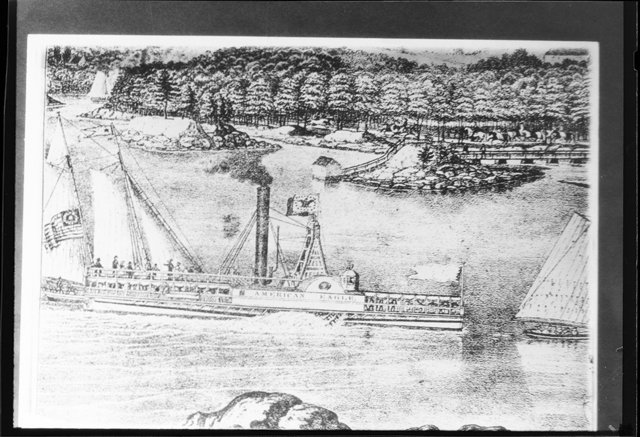 MS0091-03-01-03-026
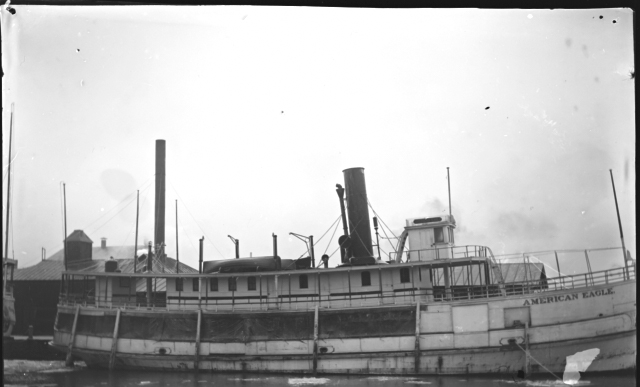 MS0094-1857 American Eagle
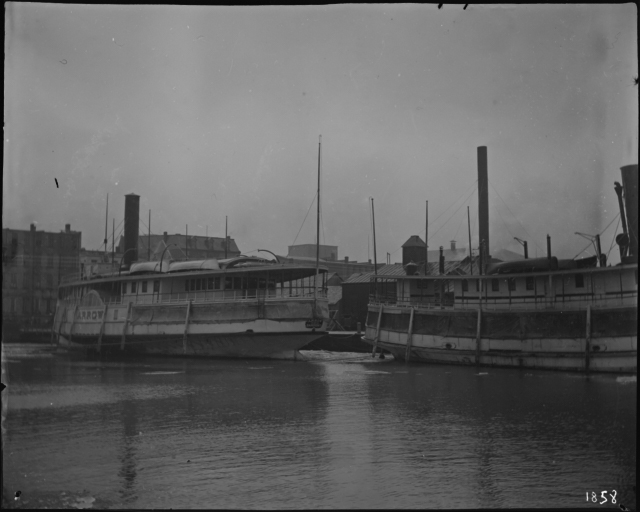 MS0094-1858 Arrow
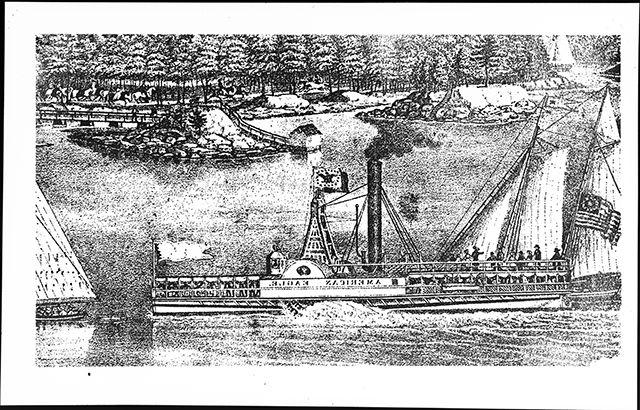 MS0091-03-02-0086
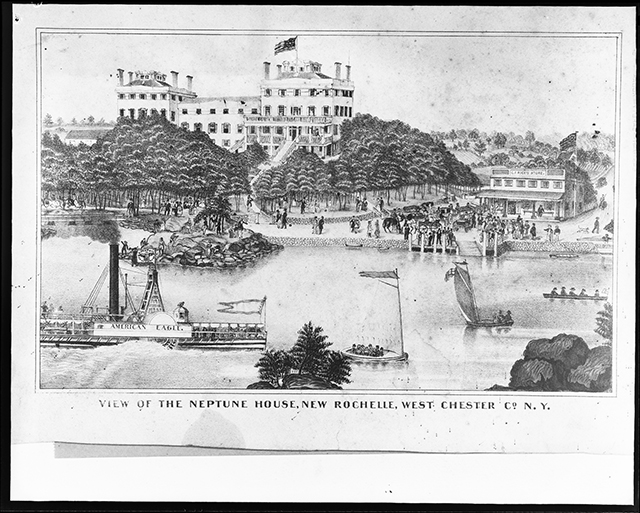 MS0091-03-02-0087
 MS621-8-InHarmony
 MS621-29-Divergence
 MS621-5Countdown
 MS621-18Awaken
 Full-size image
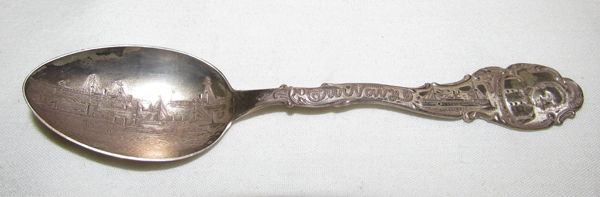 fs128a
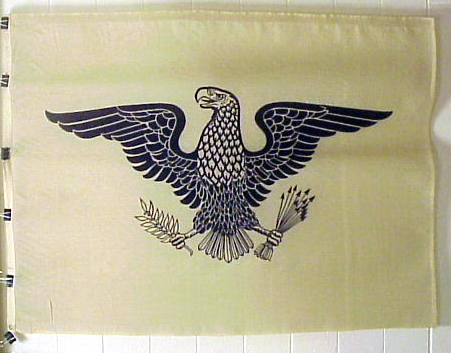 Full-size image
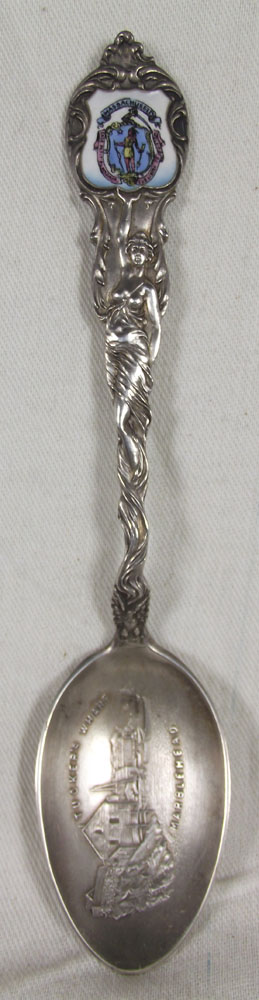 Full-size image
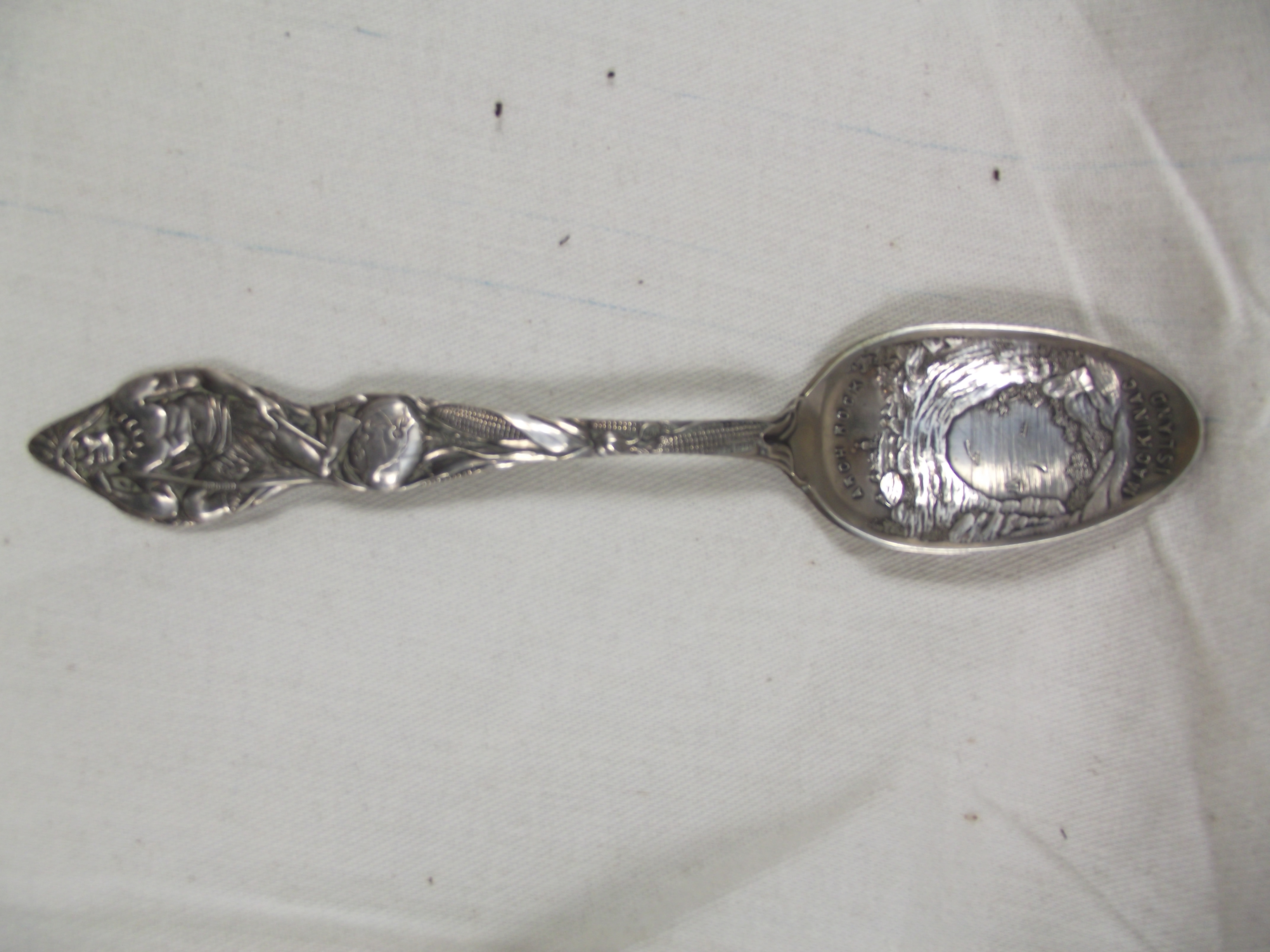 Full-size image
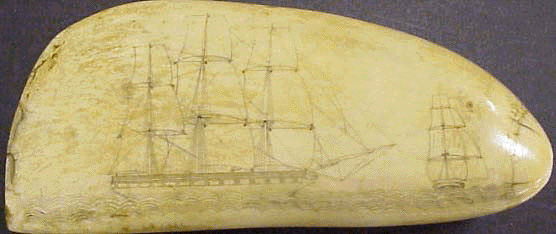 Full-size image
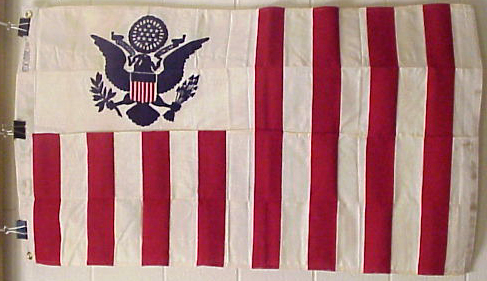 Full-size image
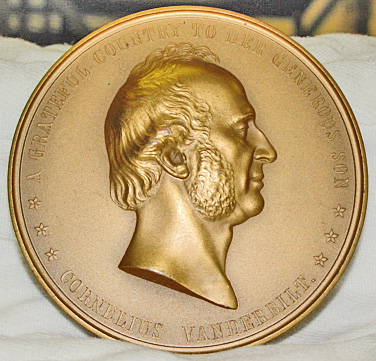 Full-size image
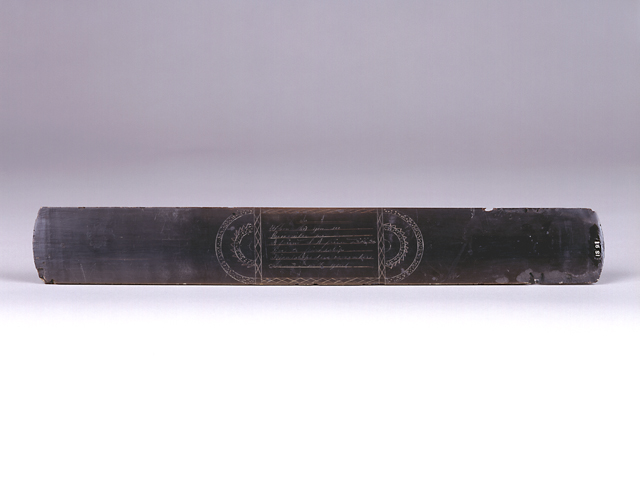 1934.0225.000001A
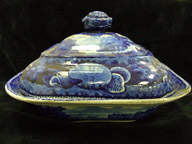 fn156a
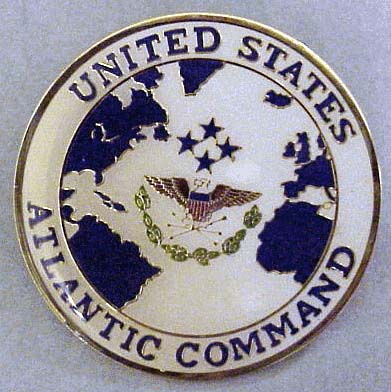 Full-size image
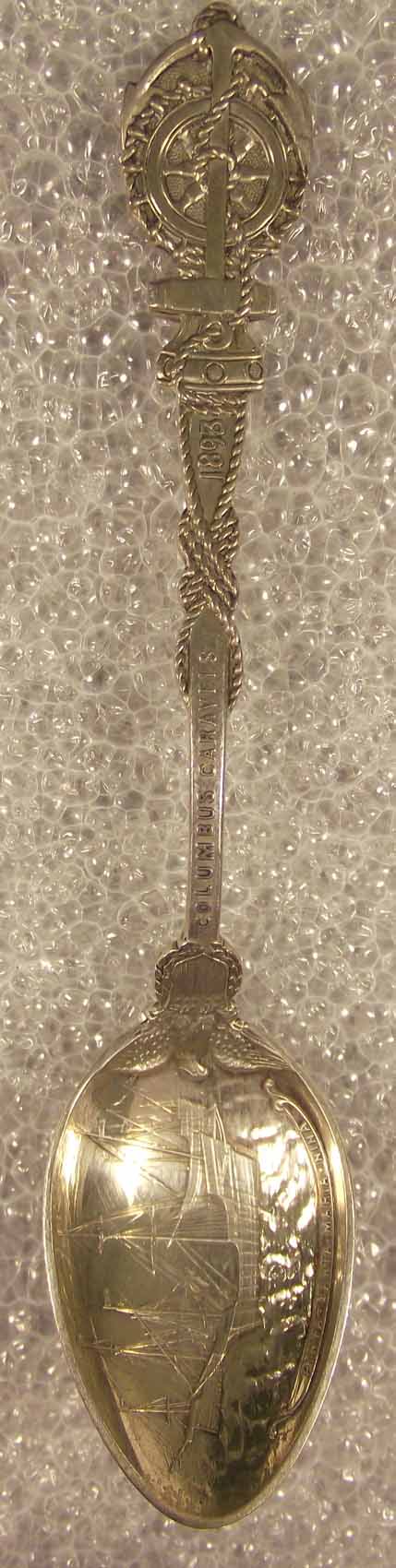 Full-size image
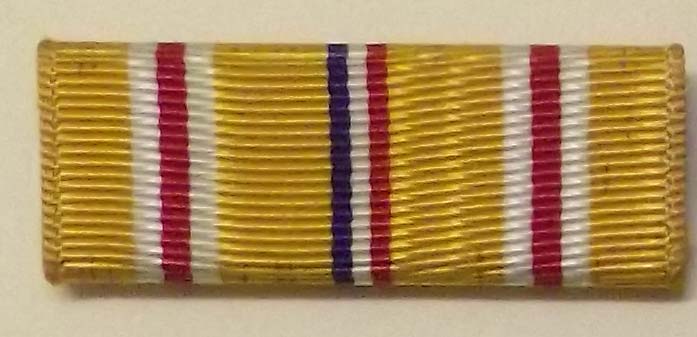 Full-size image
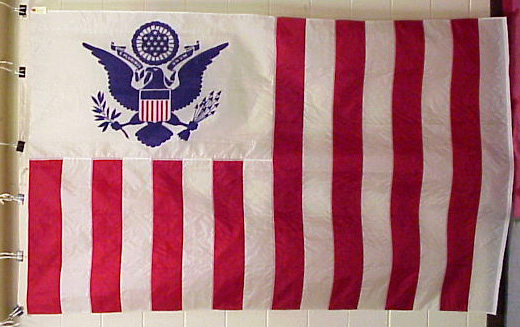 Full-size image
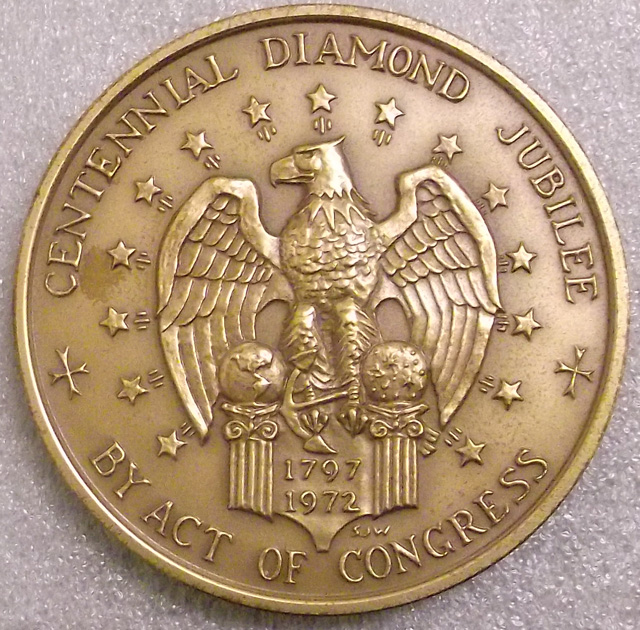 Full-size image
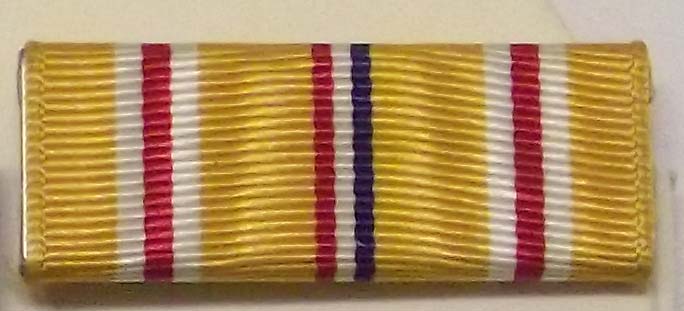 Full-size image
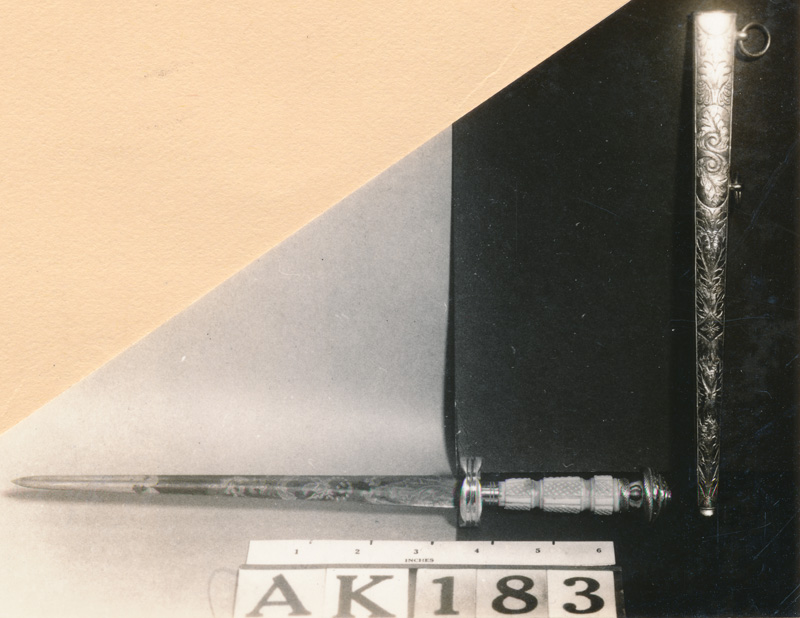 ak183
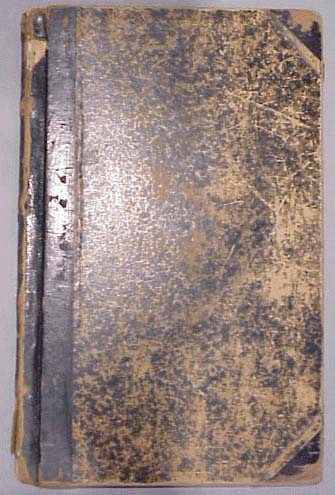 Full-size image
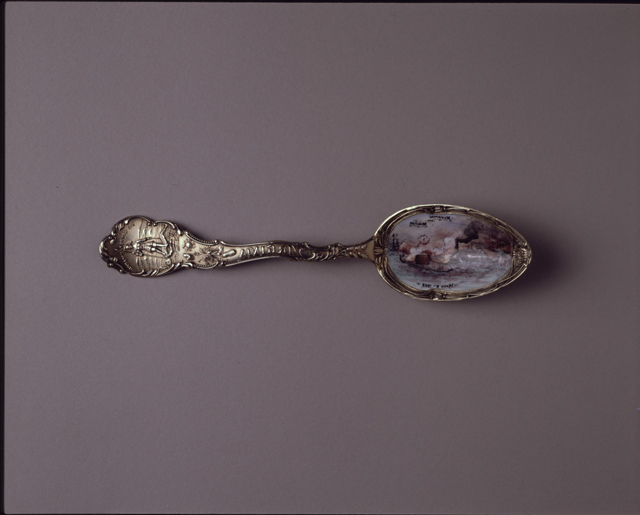 1948.0007.000001
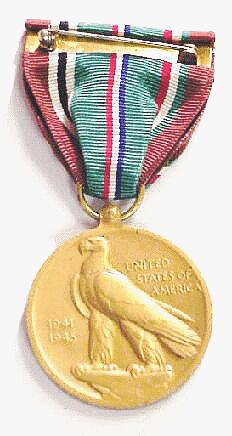 Full-size image
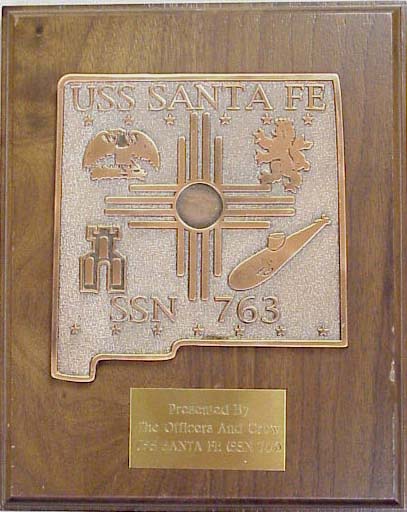 Full-size image
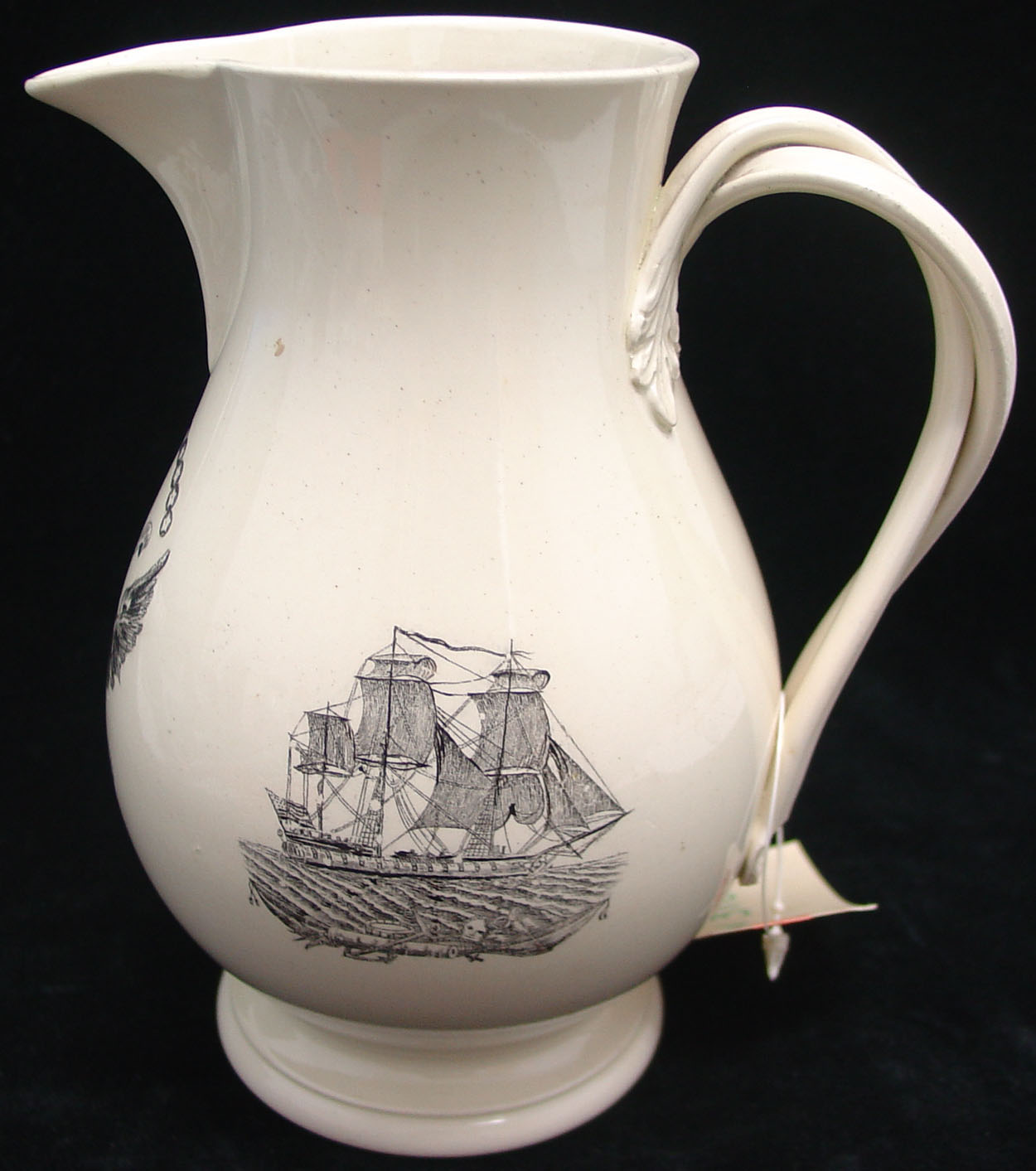 Full-size image
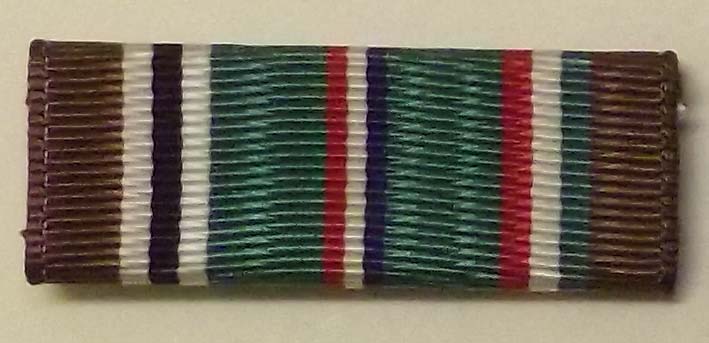 Full-size image
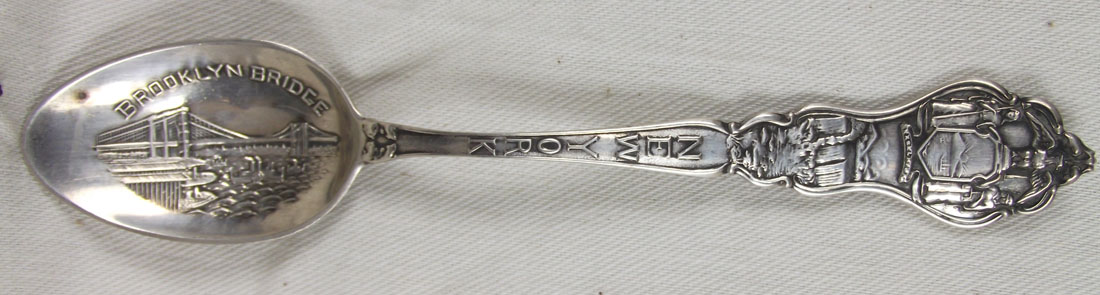 Full-size image
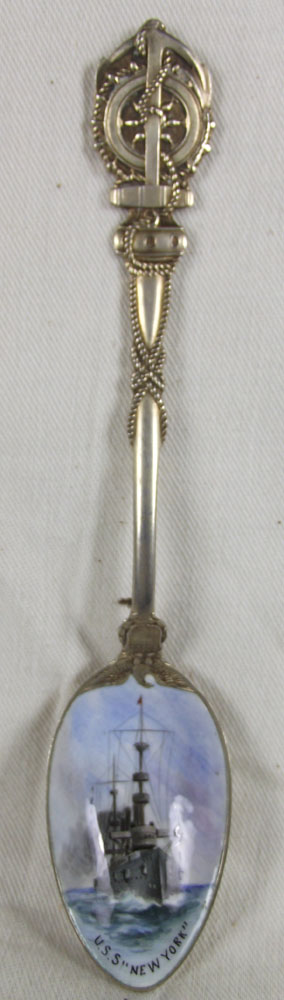 Full-size image
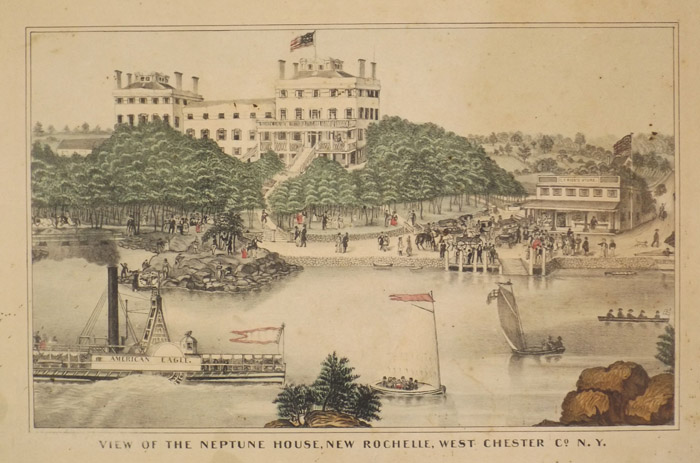 lp2569
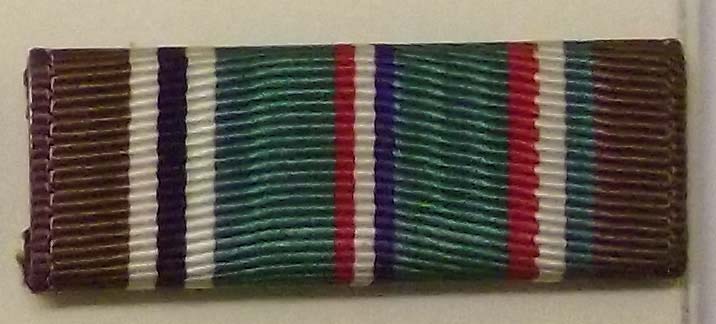 Full-size image
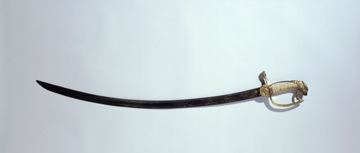 Full-size image
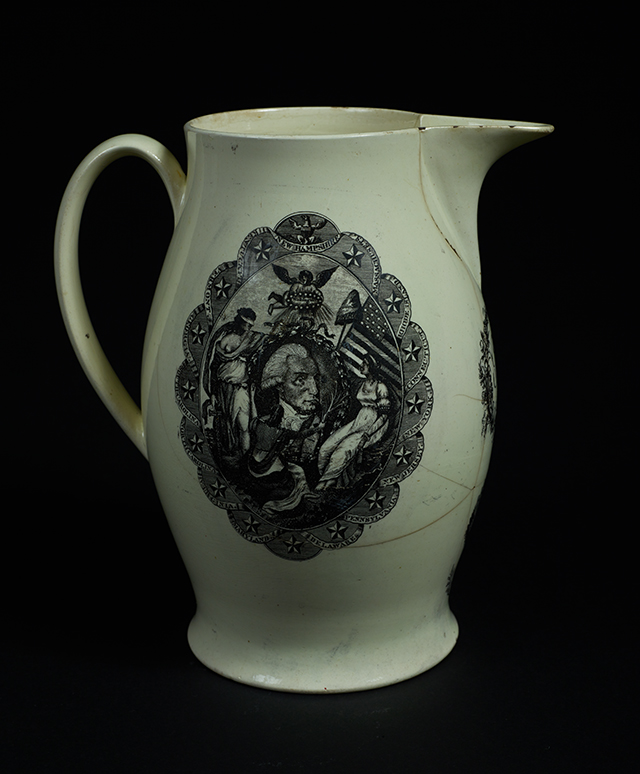 FN298-1
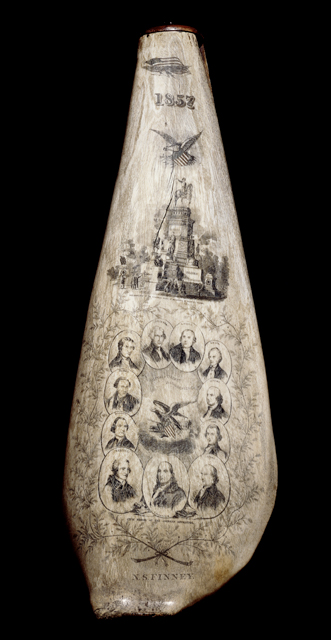 1933.0134.000001_01
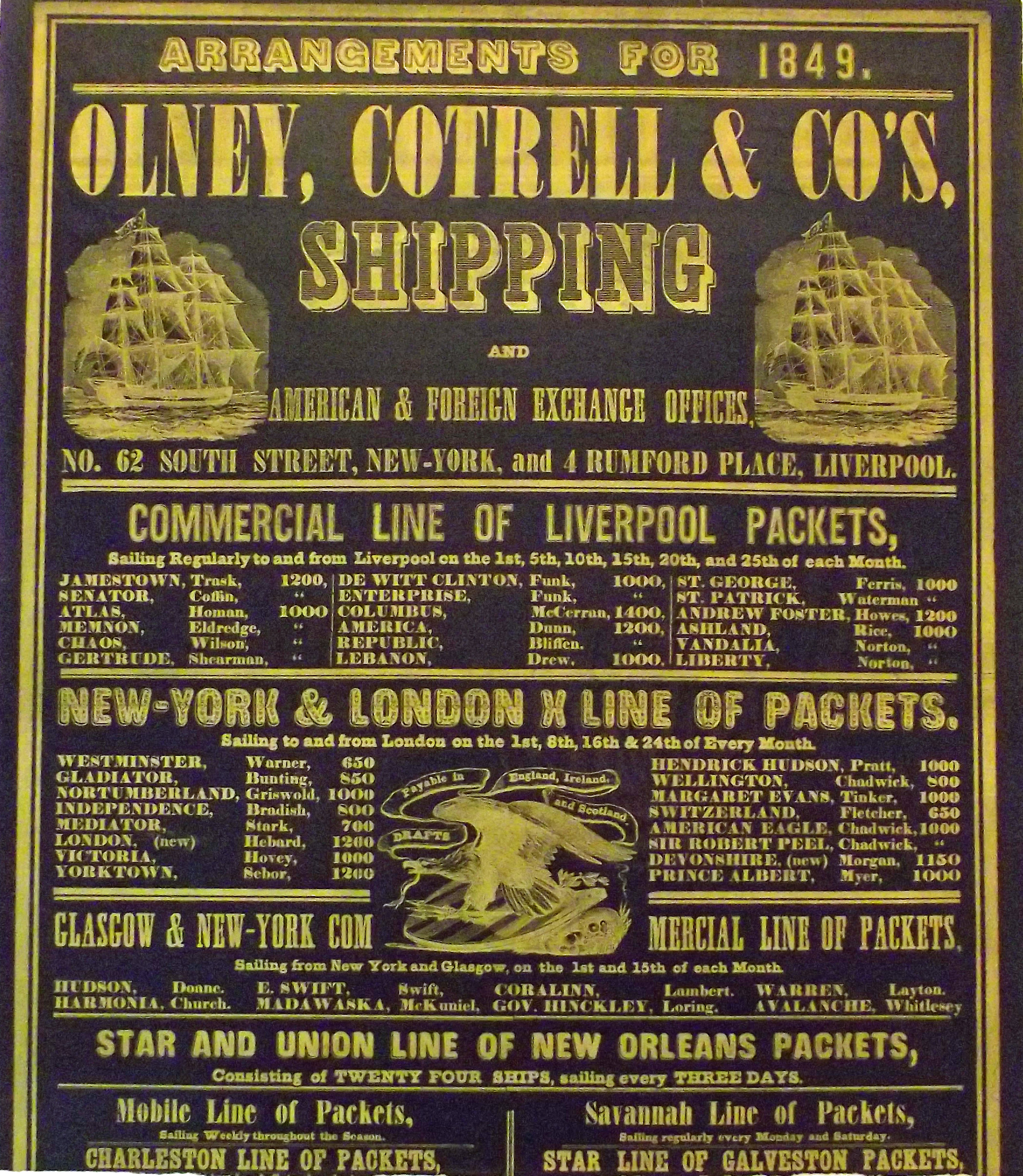 Full-size image
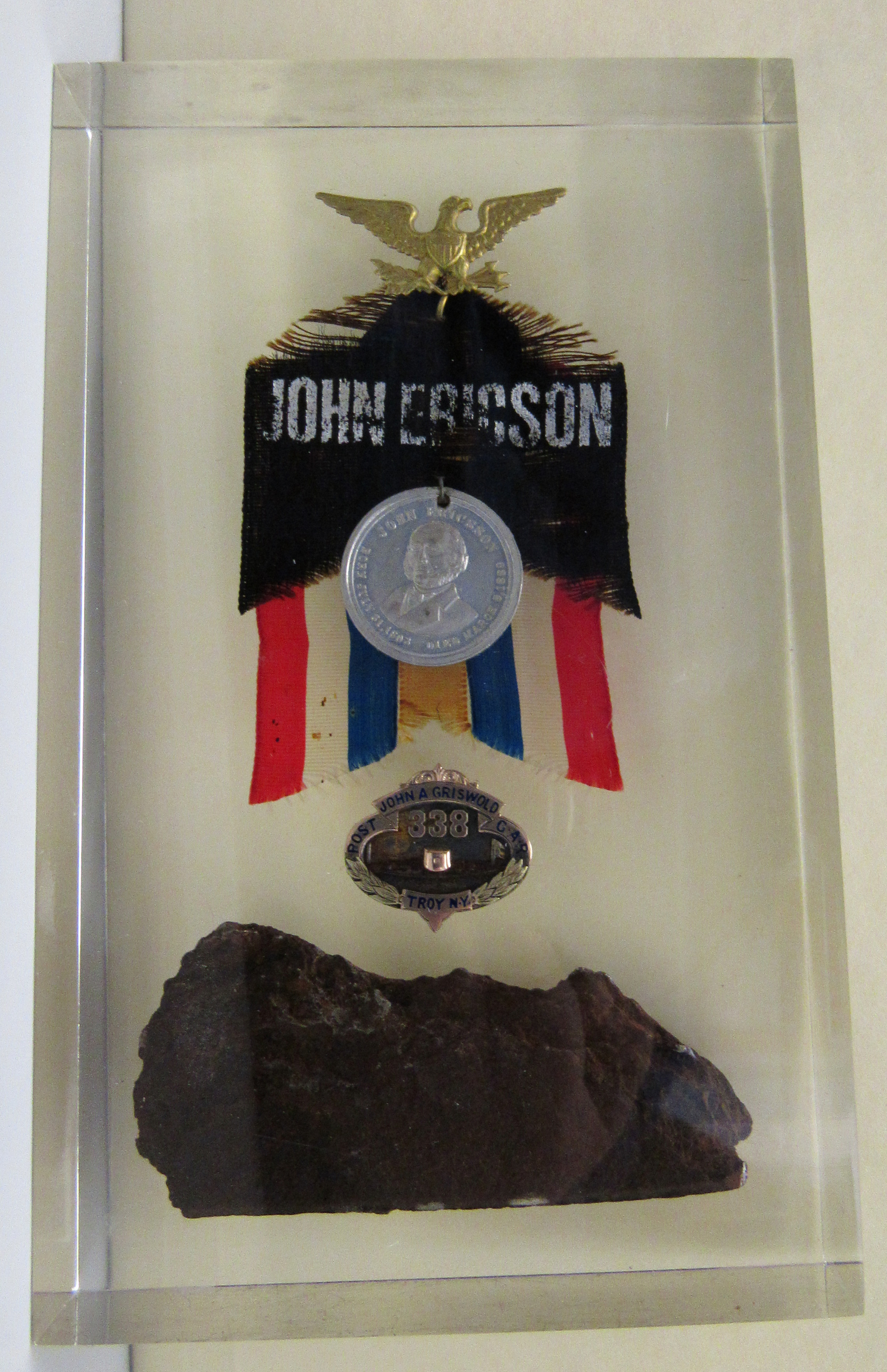 19-06-01
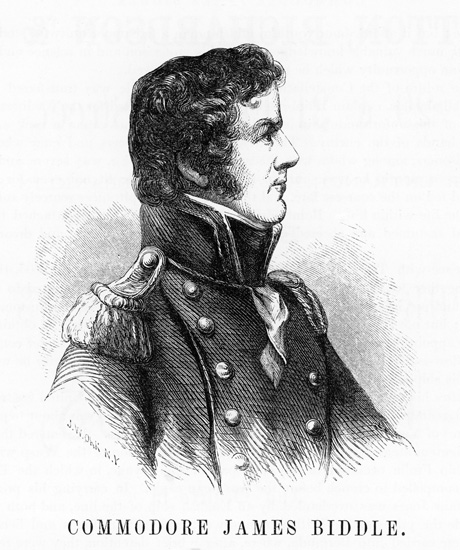 Full-size image
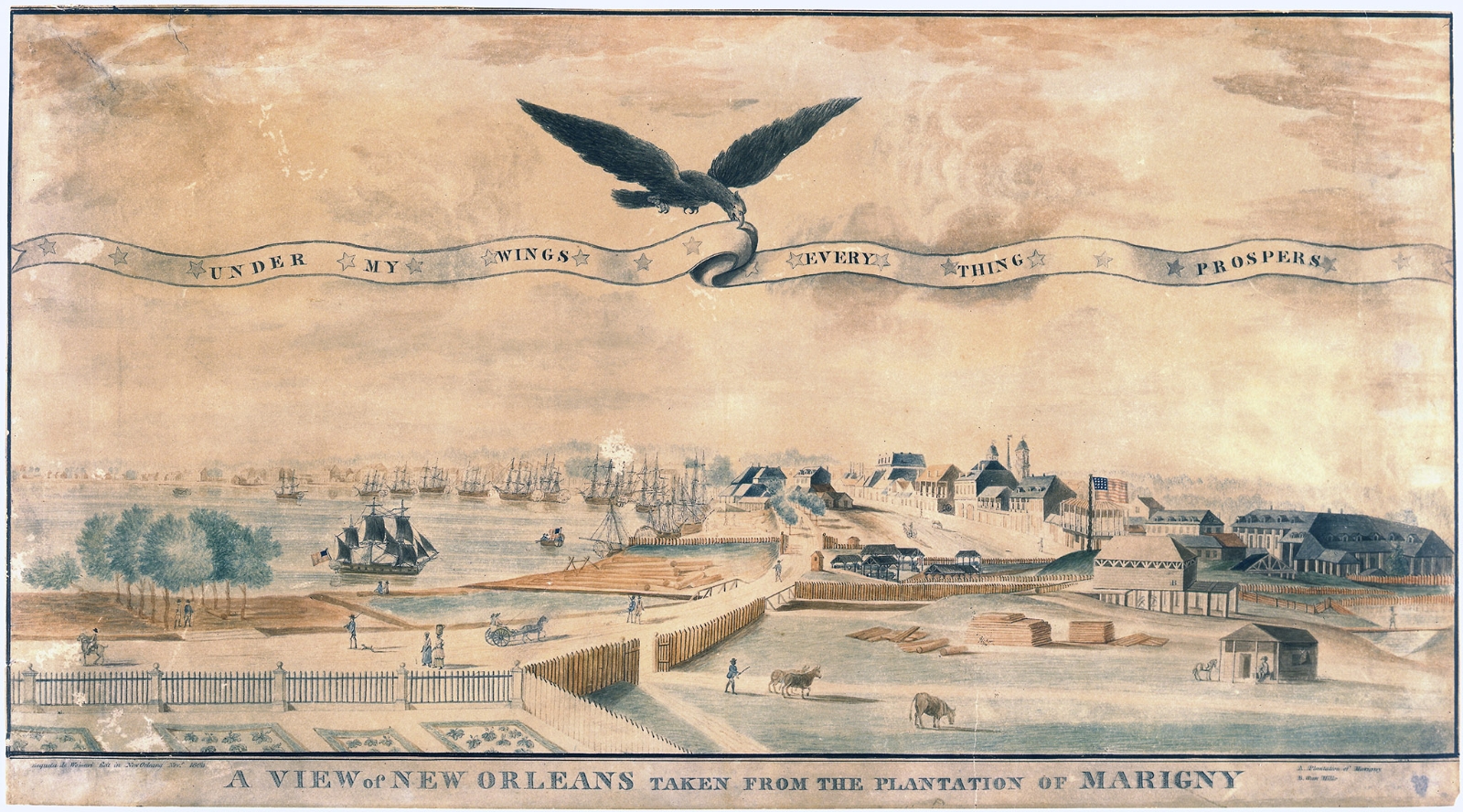 1946.1029.000001[1]
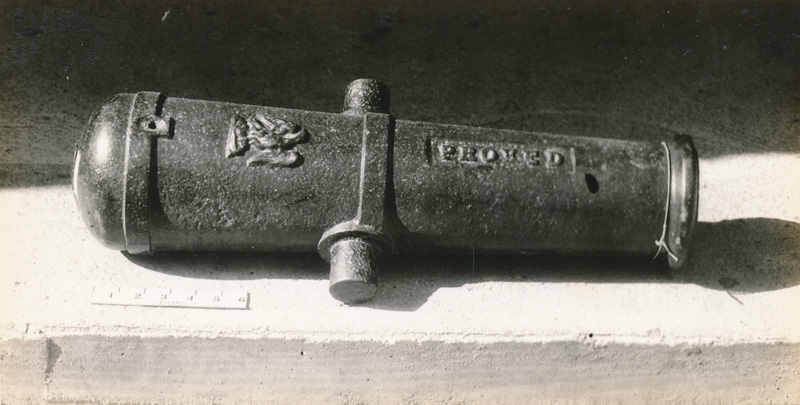 ac32b
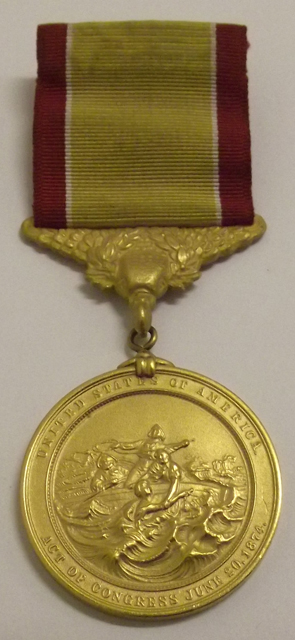 Full-size image
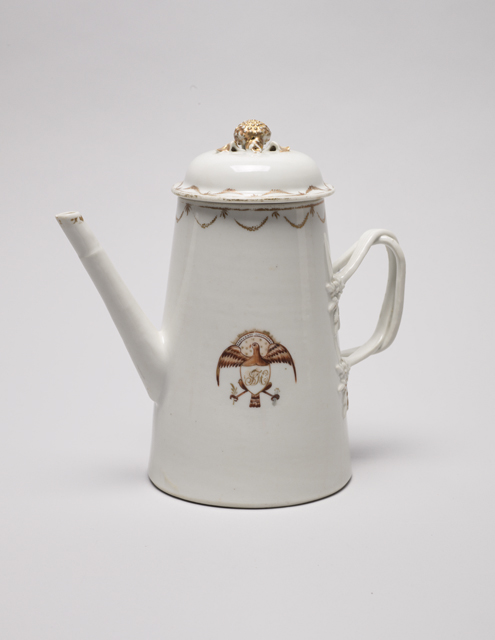 1947.0007.000001A_01